Pharmaceutical serialization practices are on the rise, progressively becoming a worldwide standard as a result of stringent regulations applied in a wide variety of markets such as the United States, the European Union, and China. Recent estimates indicate that, by 2022, serialization practices had already attained about 80% market penetration, a testimony to its essential function in verifying drug authenticity, patient safety, and end-to-end supply-chain transparency.
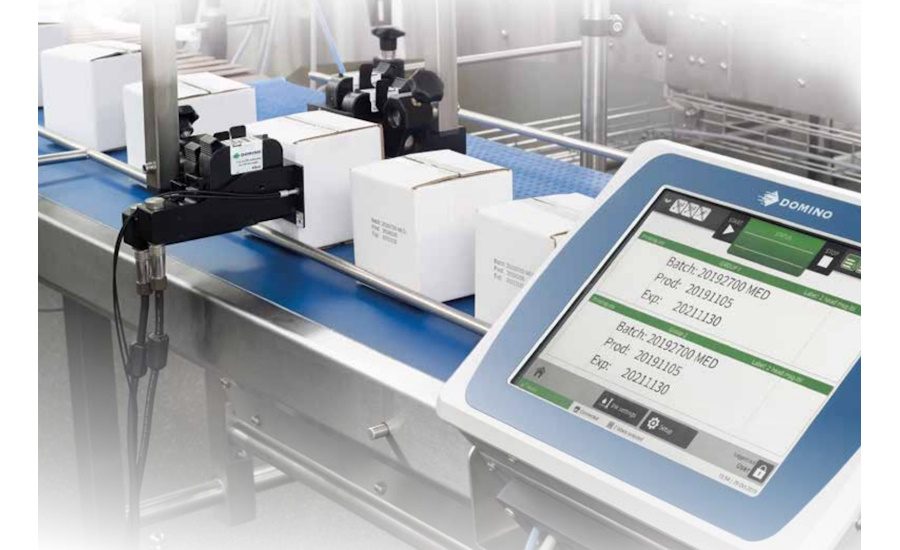
Serialization in the drug sector is the process of affixing a unique code on every individual unit of a package—be it a blister pack, bottle, carton, or other type of primary or secondary packaging configuration. A serialized drug product usually includes crucial details such as product identification numbers, lot numbers, and expiration dates. Serialization gives all stakeholders across the pharmaceutical supply chain – from manufacturers to distributors to dispensers – the tools they need to track every unit accurately at every juncture of the product life cycle.
The ongoing evolution of serialization regulation across various global markets has introduced significant operational challenges for pharmaceutical companies. Therefore, manufacturers and distributors must remain proactively informed and regularly update their operational practices to guarantee compliance, prevent costly enforcement actions, and ultimately protect patient safety and brand reputation.
Serialization Requirements in the U.S. Market and the DSCSA
The Drug Supply Chain Security Act (DSCSA), which was implemented in 2013 to establish rigorous standards for tracing and verifying pharmaceutical products in the United States, officially concluded its stabilization period on November 27, 2024. It should be noted that this pivotal milestone has triggered a phased removal of previously granted regulatory exemptions, significantly impacting manufacturers, repackagers, wholesale distributors, and dispensers employing 26 or more full-time staff members. As these exemptions gradually sunset, revisiting DSCSA serialization requirements is essential for ensuring seamless operational continuity and robust regulatory adherence in this fast-evolving compliance landscape.
Specifically – according to Section 582(a)(9) of the Food, Drug, and Cosmetic Act (FD&C Act) – each pharmaceutical package must bear a standardized numerical identifier that includes several critical data elements:
- the National Drug Code, or NDC, often encoded in a GTIN-14
- an alphanumeric serial number including up to 20 characters
- the product’s lot number
- the expiration date
These identifiers should be prominently shown in human-readable form for immediate visual checking, as well as being encoded in machine-readable 2-dimensional DataMatrix barcodes for streamlined automation handling.
To add one more layer of detail, it should be noted that individual units of the products are required to employ a DataMatrix barcode, while packages comprising the same units of the drug product with the same lot numbers and date of expiration may choose to use either linear barcodes or the 2-dimensional type of barcode.
Identifying the Right Technological Solutions for Serialization Compliance
Serialization compliance requires having the right solution for the specific type of product and packaging used. In this regard, it is critical to differentiate marking from labeling technologies to implement them effectively.
In the specific matter of serialization practices, marking technologies‘ specific functions consist of physically imprinting the serialization information onto the primary packaging like blister packs, bottles, and flexible film packaging materials. Laser marking and thermal transfer overprinting (TTO) are common examples of this type of solution, offering reliability, accuracy, and resilience to severe environmental elements. On the other hand, labeling technologies deploy print-and-apply systems to create and affix serialized labels onto secondary packaging and carton boxes.
Specific Options for Primary and Secondary Packaging
Within the drug sector, the application of laser marking technology for the marking of primary packaging configurations including vials, bottles, and blister packs is quite common, using laser to mark products with permanent high-quality identifiers located on the surfaces of packaging materials. On the other hand, thermal transfer overprinters (TTO) are ideal for use with semi-rigid film packaging, including stick packs.
Moving forward, print-and-apply labeling technologies are generally ideal for secondary packaging, directly printing and applying serialized labels on folding cartons with extremely high precision levels, even in high-speed production lines.
Closing Remarks
As discussed throughout this article, serialization compliance entails navigating intricate regulatory requirements and choosing appropriate technologies based on the specific needs of each pharmaceutical market player. Finding experienced partners to help identify the best solutions can make a big difference.
With long-held expertise and vast experience in marking and labeling for the industrial sector, as well as strategic partnerships with top brands all over the world such as Domino Printing Sciences PLT, Nimax services encompass accurate consulting activities and cutting-edge technology solutions ready for seamless integration in pharmaceutical production lines.