Across the packaging industry, 2025 has delivered more than its fair share of change and disruption. Seven U.S. states now have active Extended Producer Responsibility (EPR) laws, with several regulatory and reporting deadlines occurring this year. As a resin supplier of both virgin and recycled plastics, we see firsthand the way these laws and their structures have important implications for the future of plastic packaging. The next year is a critical time for well-designed recycling policy to both help drive PCR plastic innovation and build robust end markets for recycled materials.
At the same time, the recycling industry has faced financial and supply difficulties. While some organizations have worked to increase recycling capacity and efficacy, other recycling facilities have closed their doors. Feedstock quality and availability have been unpredictable, and overall adoption of PCR materials has been slow. Even within this mixed landscape, however, we still believe that plastic recycling is an essential pursuit for all brand owners and producers as part of a strategy rooted in long-term market resilience and strong brand positioning.
Our outlook for 2026 predicts that the next year will continue to test recyclers’ adaptability, but it also holds opportunities for committed organizations to lay the foundation for successful, scalable recycling systems. With thoughtful policies and industry collaborations, we can make significant strides to expand recycling infrastructure and increase the use of PCR plastic in high-value applications.
Designing for Recycling Includes Flexible Films
Flexible packaging remains one of the fastest growing segments in the packaging industry due to its material efficiency and functionality. Flexible films enable thinner, lighter packages, but they are recycled at much lower percentages than most rigid containers. This means that capturing and recycling flexible films represents a significant potential feedstock source for recyclers, and keeping flexible packaging out of landfills is a priority for PCR producers.
However, one major market trend is a key roadblock for expanding film recycling infrastructure and increasing PCR plastic adoption: low virgin resin prices. Virgin plastic pricing remains in trough conditions, putting pressure on recycled material prices and making market conditions more difficult for recyclers for the next 12-18 months.
Despite these hurdles, many brand owners are still exploring ways to make their packaging more sustainable, and market research shows that more and more consumers care about sustainability and are willing to pay a premium for sustainable products. Brands want recycled and recyclable materials that don’t require performance tradeoffs, which is particularly important for high-performance films. The entire packaging value chain depends on a healthy recycling industry to support these goals and build consumer trust.
Mechanical Recycling Can Meet PCR Quality Needs
Image credit: NOVA Chemicals
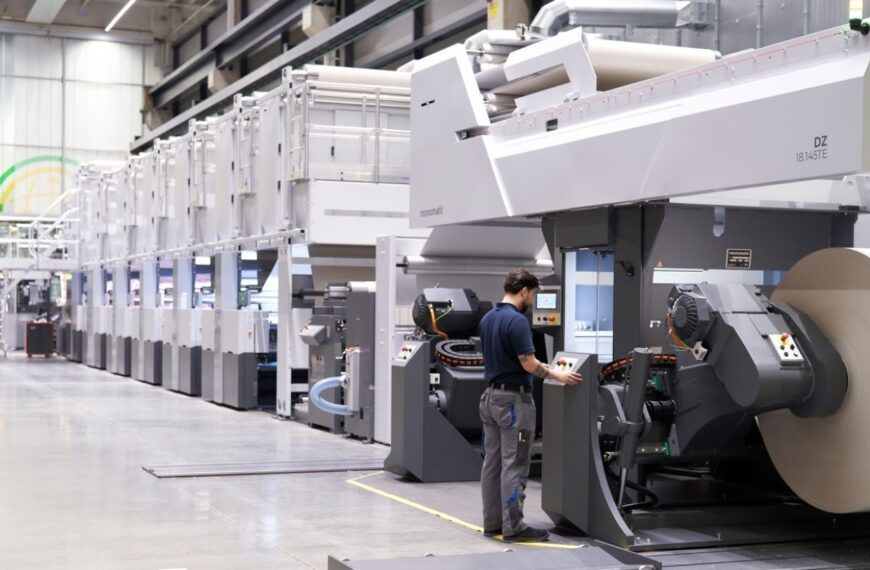
Mechanical recycling can meet many of the technical requirements needed to keep plastic in circulation in the highest value applications, including films and food packaging. Advances in optical sorting capabilities supported by AI and automated machinery will continue to help improve feedstock quality and maximize profitability.
To take full advantage of the capabilities of mechanical recycling, we need to create new collection programs both for brands and retailers and for consumers. Collaborative relationships between recyclers, suppliers, and brands can create commercial collection and recovery programs that support better bale consistency and lead to closed loop systems for plastic packaging.
Consumer education will also play an essential role in increasing plastic recovery. Packaging producers and recyclers should all participate in helping consumers understand what is recyclable and where. Beyond curbside collection programs, alternate collection facilities and drop-off programs can increase access to recycling streams. These critical program expansions will require the alignment of public and private priorities to fund recycling operations.
Policy Design Will Shape Market Behavior
Contributing to the discussion surrounding EPR policies and advocating for strategic end market development will be important in 2026. Rules concerning fees for non-recyclable packages and the use of PCR materials will greatly impact demand for recycled plastics. If packaging producers can opt out of using PCR and simply pay a fee, the law will enable avoidance. In today’s difficult economic climate, many brands may think it is easier and cheaper to just absorb the EPR fee instead of redesigning their packaging to be recyclable or include PCR materials.
Effective EPR legislation should support achievable PCR content targets and also reflect realistic supply chain and market constraints. This way, policy will help develop end markets for PCR plastic that will in turn enable recyclers to focus on scaling and refining operations. EPR should be a lever for transformation, not punishment, and should encourage the adoption of circular economy practices as opposed to only generating revenue.
Proactive Brands and Retailers Will Lead the Way
Policy alone will not ensure that all plastics are utilized to their maximum value. Brands and retailers that commit to integrating PCR materials into their packaging now will lead the way to the systems changes needed to overhaul our approach to plastic and plastic waste. To support the recycling industry, companies must be proactive about designing packaging for recyclability and signing long-term purchase agreements for PCR plastic.
In 2026, we believe the industry should continue to work toward improving the quality of PCR materials and commercializing new packages and products that incorporate recycled materials. When brands, converters, suppliers, and recyclers work together, we can ensure that PCR plastics meet both performance and sustainability standards. With the latest mechanical recycling and sortation technology, it is possible to support circular innovation and also deliver economic advantages.