The Massachusetts Extended Producer Responsibility (EPR) Commission has recommended that state lawmakers pursue extended producer responsibility legislation for several product categories, including lithium-ion batteries, electronic goods and mattresses, while deferring a decision on packaging policy pending further study.
The commission’s draft final report, prepared under a 2024 climate law and due to the legislature by 15 January 2026, outlines evidence and rationale for EPR frameworks designed to shift waste management responsibilities to producers and improve recycling and end-of-life management systems across the state.

Discover B2B Marketing That Performs
Combine business intelligence and editorial excellence to reach engaged professionals across 36 leading media platforms.
EPR recommendations focus on hazardous and hard-to-manage products
In its draft report, the commission endorsed extended producer responsibility systems for several specific product types that present complex waste management challenges.
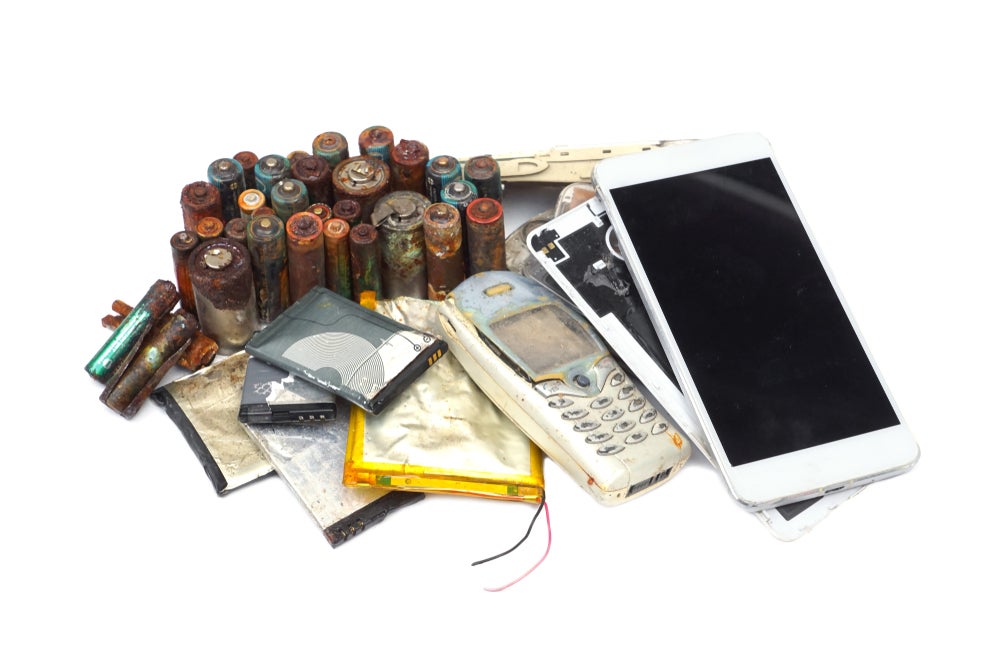
Members voted to recommend that Massachusetts lawmakers advance EPR legislation for electronics, batteries and mattresses, alongside earlier recommendations for paint stewardship.
These categories are frequently identified in waste policy because they often contain hazardous materials, are costly for municipalities to manage, or currently lack comprehensive recycling systems.
Lithium-ion batteries, in particular, have garnered attention due to the fire risks they pose in waste processing facilities and the challenges associated with safe collection and recycling.
Electronics contain a range of hazardous substances and components that require specialised handling. Mattresses, bulky and resource-intensive to dispose of, are increasingly managed through diversion initiatives that could be strengthened under EPR frameworks.
Supporters of these recommendations argue that producer responsibility could encourage design improvements and more efficient materials recovery.
While the commission recognised packaging as a priority area in advancing EPR policy in Massachusetts, it did not recommend a specific packaging law in its draft findings.
Commissioners voted to urge the state legislature to fund a needs assessment to further evaluate the implications and design elements of packaging EPR before enacting legislation.
This assessment, anticipated to be overseen by the Massachusetts Department of Environmental Protection’s Solid Waste Advisory Committee, would gather data on recycling infrastructure, material flows and cost impacts to inform future policy decisions.
Packaging EPR laws, now enacted in several other US states, aim to require producers to finance or operate recycling programmes for plastics, paper and other packaging materials.
However, commissioners noted that the breadth and complexity of packaging waste issues—especially costs, equity concerns and the scale of materials involved—necessitate more detailed study before a legislative proposal is advanced in Massachusetts.
Broader implications for waste strategy and business planning
Extended producer responsibility is part of a growing policy trend in the United States and internationally to redesign waste systems, internalise environmental costs and reduce the burden on municipalities.
EPR frameworks typically require producers to organise and fund programmes for the collection, recycling and management of end-of-life products, sometimes through a producer responsibility organisation (PRO) or similar entity.
For manufacturers, retailers and waste management companies operating across multiple jurisdictions, the evolving EPR landscape in states such as Massachusetts underscores the importance of monitoring regulatory developments and preparing for diverse compliance requirements.
Although final legislation in Massachusetts remains pending, the commission’s recommendations signal potential shifts in product stewardship expectations for key sectors and highlight the growing role of extended producer responsibility as a tool for addressing solid waste and recycling challenges.