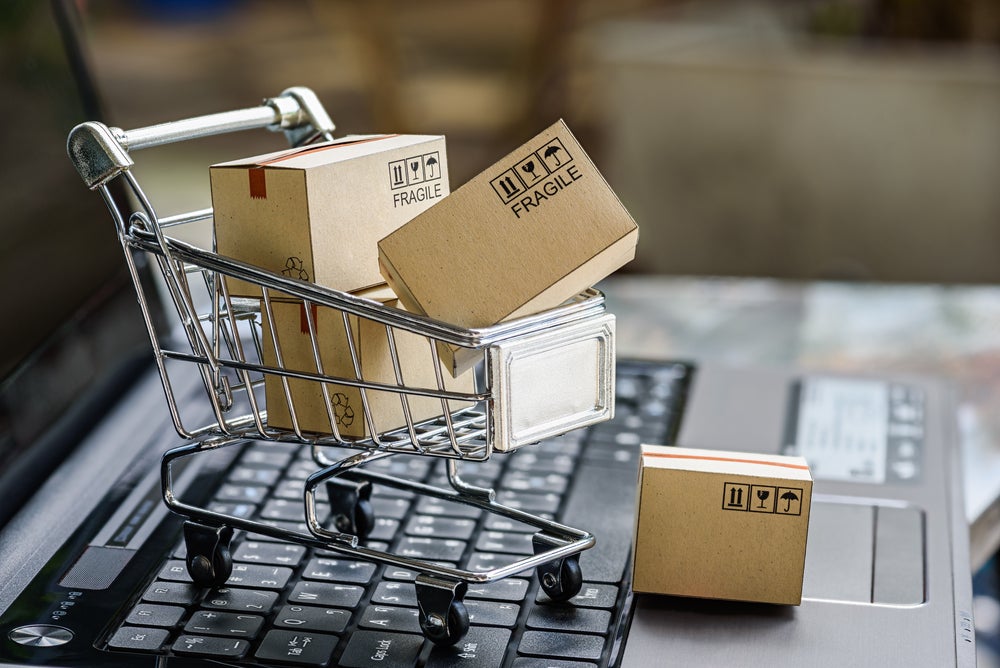
The rapid rise of e-commerce has revolutionised the way consumers shop, presenting new opportunities and challenges for businesses worldwide. One of the most pressing concerns in this sector is e-commerce packaging.
As online shopping continues to grow, the demands and expectations placed on packaging are evolving, pushing companies to rethink their strategies.
Let’s delve into some of the critical challenges associated with e-commerce packaging and how businesses can address them.
1. Balancing protection and sustainability
One of the primary challenges in e-commerce packaging is ensuring that products are adequately protected during transit. Unlike traditional retail, where goods are transported in bulk and handled less frequently, e-commerce products undergo multiple touchpoints before reaching the customer.
This makes them susceptible to damage from impacts, drops, or rough handling. Consequently, businesses often resort to using excess packaging materials, such as bubble wrap, foam inserts, and oversized boxes, to safeguard items.
However, this approach clashes with growing consumer demand for sustainable packaging. Shoppers are increasingly conscious of the environmental impact of excessive packaging waste, leading to a call for more eco-friendly solutions.
Access the most comprehensive Company Profiles
on the market, powered by GlobalData. Save hours of research. Gain competitive edge.

Company Profile – free
sample
Your download email will arrive shortly
We are confident about the
unique
quality of our Company Profiles. However, we want you to make the most
beneficial
decision for your business, so we offer a free sample that you can download by
submitting the below form
By GlobalData
To strike the right balance, companies need to adopt innovative packaging designs that minimise material usage while maintaining product protection. For instance, using recyclable or biodegradable materials, and designing packaging that fits the product snugly, can significantly reduce waste.
Brands that prioritise sustainability in their packaging not only reduce their carbon footprint but also enhance their brand image among eco-conscious consumers.
2. Managing costs and efficiency
Cost management is another significant challenge for businesses engaged in e-commerce. Packaging can be a substantial expense, especially when dealing with a high volume of orders.
The cost of materials, labour, and shipping can quickly add up, particularly if the packaging is oversized or unnecessarily complex. Furthermore, excessive packaging can lead to higher shipping costs, as carriers often charge based on the size and weight of parcels.
To address this challenge, companies are turning to packaging automation and optimised design solutions. Automated packaging systems can streamline the process, reducing labour costs and improving efficiency.
By investing in technology that accurately measures and creates packaging tailored to each product, businesses can minimise waste and shipping costs. Right-sizing packaging is also crucial, as it helps reduce the overall volume of materials used, ensuring that parcels are lighter and more compact.
In turn, this approach can lead to substantial savings on shipping costs, ultimately enhancing profitability.
3. Enhancing the unboxing experience
The unboxing experience has become a crucial aspect of e-commerce, serving as a brand’s first physical interaction with the customer. A memorable unboxing moment can leave a lasting impression, encouraging customer loyalty and generating positive word-of-mouth.
However, creating an engaging unboxing experience while keeping costs and sustainability in check can be a delicate balancing act.
Many e-commerce businesses are investing in custom packaging designs that reflect their brand identity, incorporating elements such as branded tissue paper, personalised messages, or reusable packaging.
While these touches can enhance the unboxing experience, they must be carefully considered to avoid unnecessary waste. Striking a balance between a visually appealing design and eco-friendliness is essential.
For example, using soy-based inks, compostable materials, or minimalistic designs can achieve a premium feel without compromising sustainability.
Ultimately, by delivering a thoughtful and enjoyable unboxing experience, brands can differentiate themselves in a competitive market, fostering repeat business and customer advocacy.
Embracing innovation in e-commerce packaging
To overcome the challenges associated with e-commerce packaging, businesses must remain adaptable and open to innovative solutions.
Emerging technologies, such as smart packaging and augmented reality (AR), are gaining traction in the e-commerce space. Smart packaging, for instance, can include features like temperature sensors, RFID tags, or QR codes that provide consumers with product information, enhancing transparency and engagement.
This not only elevates the customer experience but also offers valuable data for businesses to optimise their packaging strategies further.
AR technology can also transform the unboxing experience, allowing customers to interact with products in a virtual environment before they even open the package.
These innovative approaches help bridge the gap between the online and physical shopping experience, offering an added layer of value that sets brands apart.