Eastman, a global speciality materials company, has announced that eight of its copolyester resins, along with their Renew grades containing recycled content, have received RecyClass Recyclability Approvals.
This certification is a significant step for the company, as it supports the recyclability of plastics in Europe and aligns with efforts to increase plastics circularity.
RecyClass is a cross-industry initiative that promotes recyclability while also standardising the calculation and traceability of recycled plastic in Europe.
The six copolyester resins classified as fully compatible with polyethylene terephthalate (PET) bottle recycling processes in Europe include Cristal EN076, Cristal One, Cristal One Pro, Cristal One IM812, Cristal One E, and Cristal One E Lux.
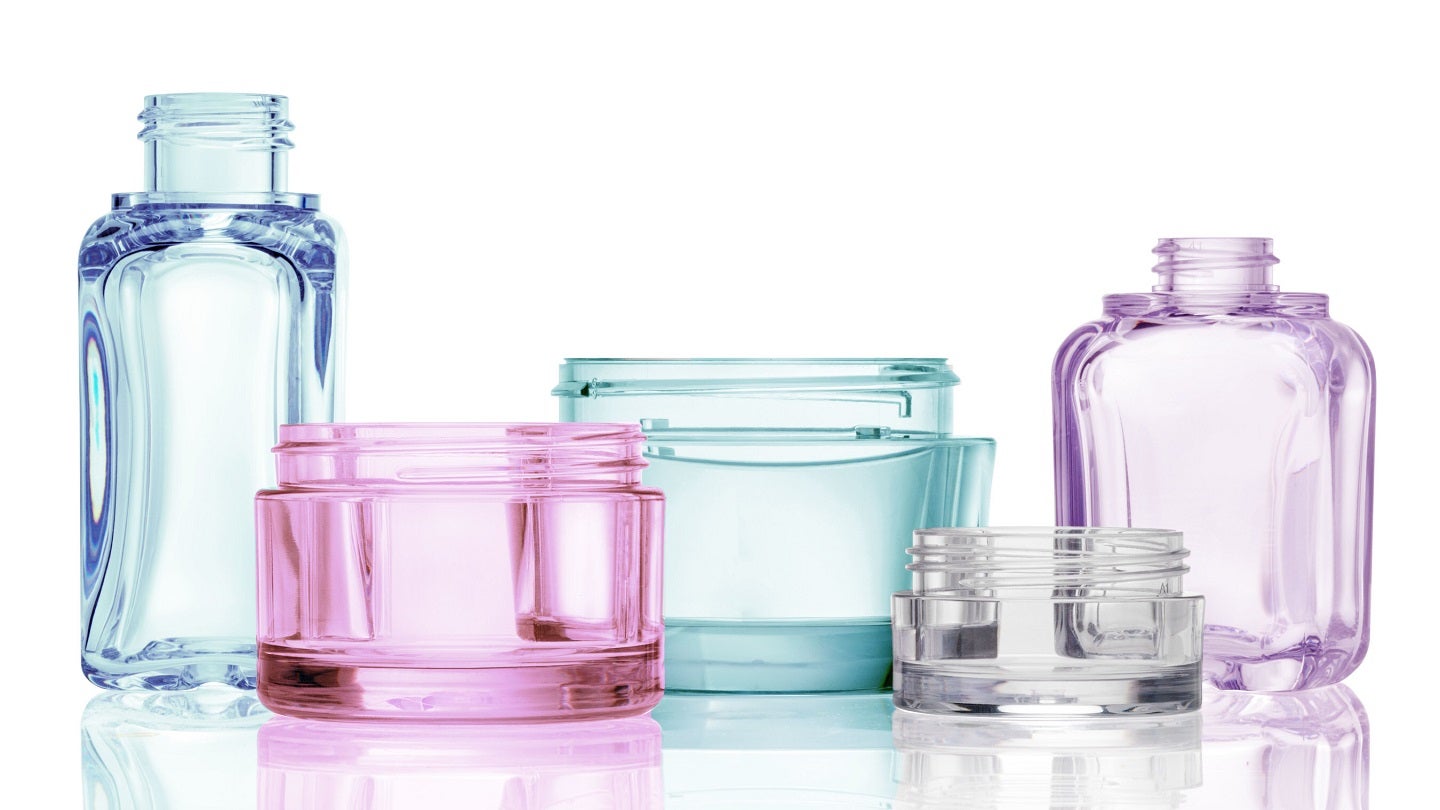
These speciality PET materials are suited for non-beverage packaging applications such as skincare jars, bottles, caps, and colour cosmetics.
In addition to these six fully compatible resins, Eastman’s Cristal EN067 and Cristal EN059 resins have been recognised as holding limited compatibility with the current PET recycling process.
The RecyClass approval follows independent testing by PTI-Europe and Plastics Forming Enterprises, utilising an adapted version of the Recyclability Evaluation Protocol used for PET bottles.
These modified copolyesters are designed to not interfere with established recycling processes, offering an ideal solution for manufacturers seeking sustainable packaging options.
The copolyesters’ lower crystallisation rates compared to standard PET allow for the creation of durable, highly transparent, and lustrous final products.
The approval of these resins underscores the ongoing efforts within the plastics industry to develop high-performance packaging solutions that are not only functional but also environmentally responsible.
In November last year, UPM Specialty Papers, in partnership with Eastman, created a paper packaging solution coated with a biopolymer.
The packaging was designed specifically for food applications requiring efficient barriers against grease and oxygen.