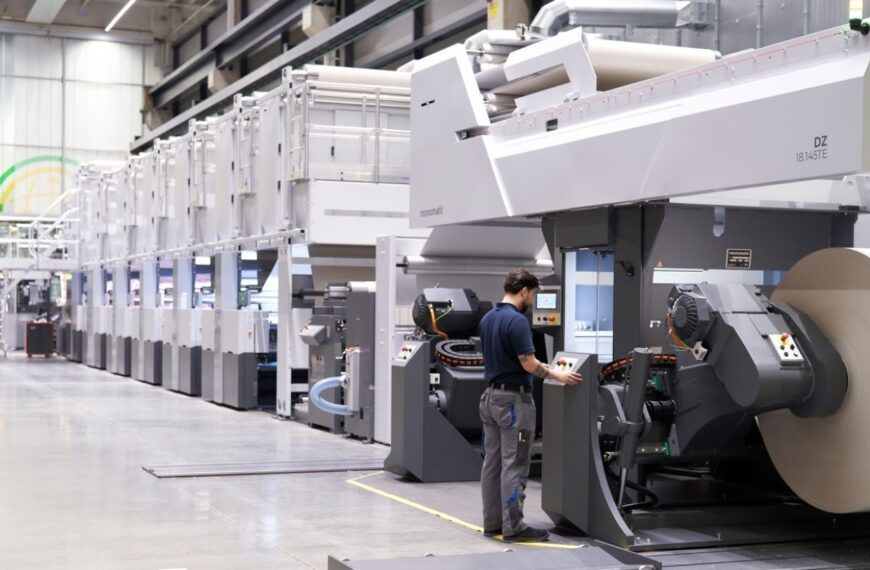
Adhesive manufacturer Henkel Adhesives Technologies (HAT) has achieved a significant sustainability milestone in the Middle East and Africa (MEA) region.
All eight of its manufacturing sites across six countries in the area have transitioned to 100% renewable electricity.
Access the most comprehensive Company Profiles
on the market, powered by GlobalData. Save hours of research. Gain competitive edge.
Company Profile – free
sample
Your download email will arrive shortly
We are confident about the
unique
quality of our Company Profiles. However, we want you to make the most
beneficial
decision for your business, so we offer a free sample that you can download by
submitting the below form
By GlobalData
This shift eliminates carbon dioxide (CO₂) emissions from electricity usage, also known as scope 2 emissions, for these facilities.
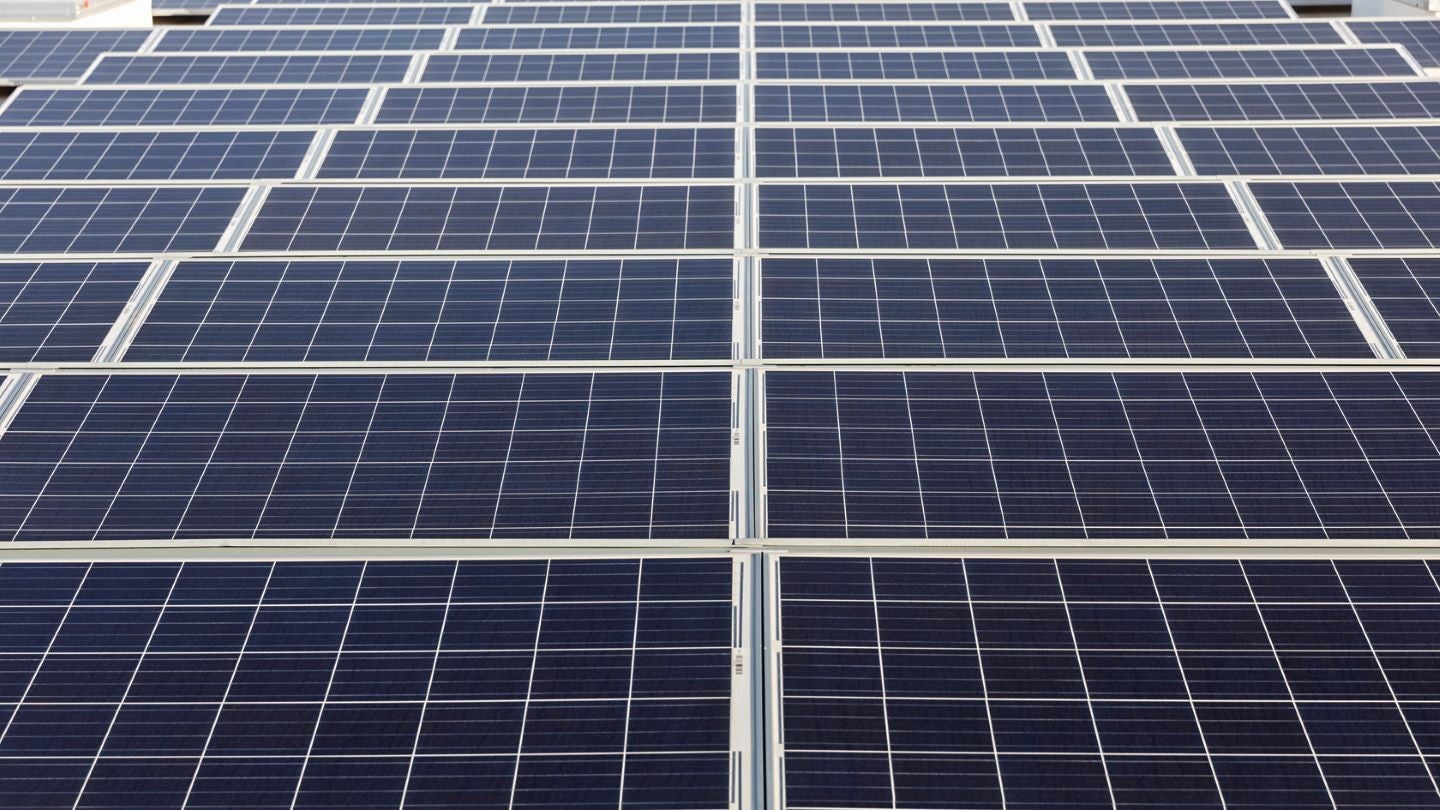
The company has adopted a mix of on-site solar installations and off-site renewable sources such as hydro and wind power.
Environmental impact and industry benchmark
By embracing renewables, HAT estimates a reduction of approximately 10,471 tons (t) of CO₂ emissions annually.
This reduction is reportedly equivalent to taking 2,500 gasoline-powered cars off the road for a year or eliminating the carbon footprint of nearly 2,700 flights between New York and Singapore.
This achievement positions HAT as a sustainability leader within the packaging industry. Its commitment to reducing reliance on fossil fuels sets a benchmark for others to follow.
Commitment to a sustainable future
“By achieving complete decarbonisation of our scope 2 operations in our MEA sites, we’ve turned our commitments into tangible progress on the path to achieving climate-positive operations by 2030,” said Veerabhadra Konakalla, Safety and Health & Environment head for HAT India, Middle East and Africa (IMEA).
“This achievement is a testament to the zeal of our IMEA team to drive transformative environmental change and create a more sustainable future.”
The shift to renewables also aligns with Henkel’s broader 2030+ Sustainability Ambition Framework, which targets climate-positive operations by 2030 and a pathway to net-zero emissions.
This framework is part of Henkel’s overall “Purposeful Growth” strategy, emphasising responsible business practices and creating enduring value for stakeholders.