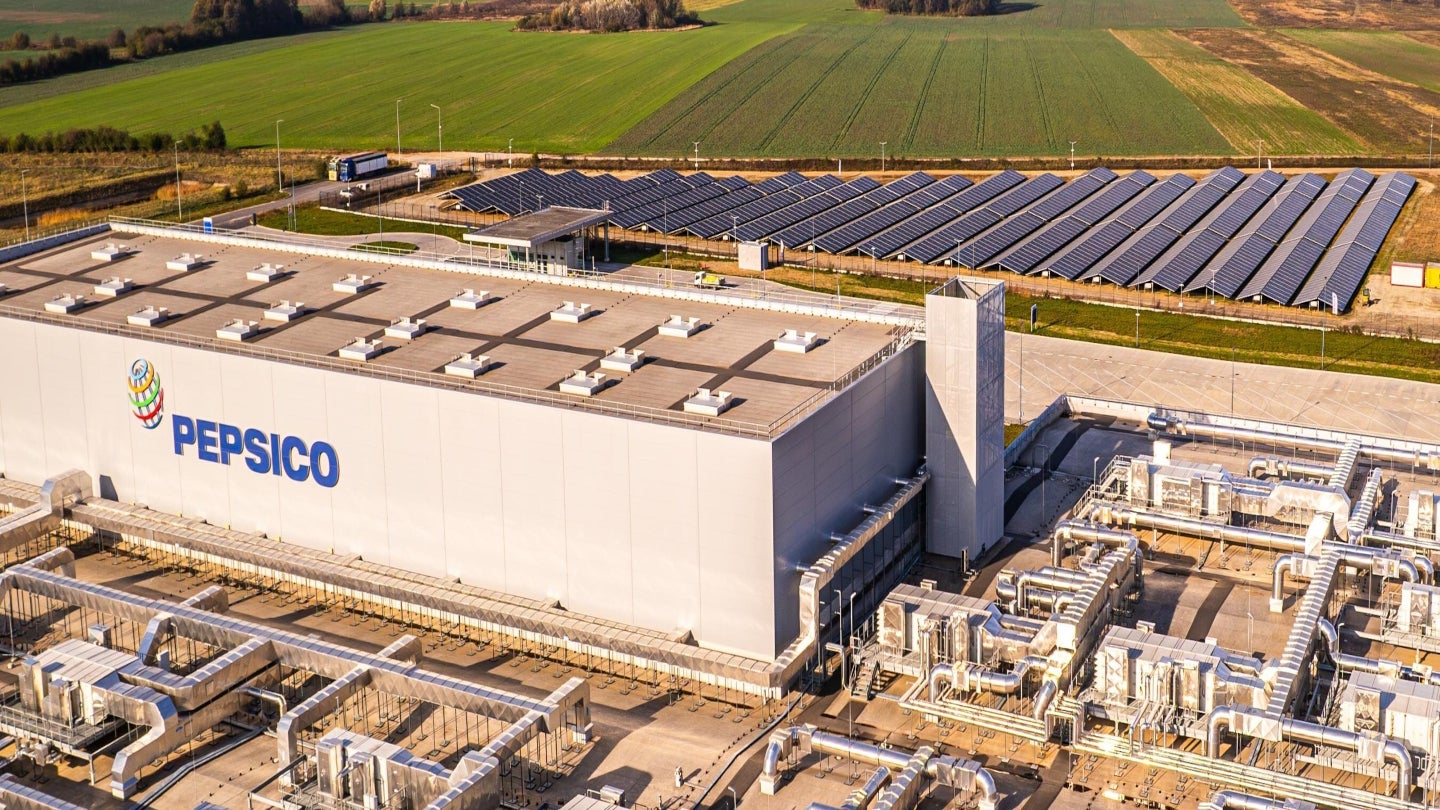
PepsiCo says it is stepping back from its target of 20% of all beverage servings sold through reusable models by 2030 to concentrate on key packaging markets where it anticipates its initiatives will have the greatest positive effect.
It also aims to more effectively consider external variables that are beyond the company’s influence.
This decision includes the termination of the goal to reduce virgin plastic from nonrenewable sources per serving, the scaling back of other objectives related to plastic packaging use, and enhancing packaging design.
The company’s progress towards these goals had been stagnant, with the share of packaging in reusable formats remaining at 10% since the initial announcement in 2022.
This move mirrors a similar decision by Coca-Cola in December 2024, which also retreated from its reusable packaging and virgin plastic reduction targets.
While PepsiCo is phasing out its reuse target, it says it persists in its efforts to make packaging reusable, recyclable, or compostable.
Achieving these goals demands investment, innovation, and collaboration across sectors. However, challenges such as regulatory hurdles with recycled polyethylene terephthalate in food and beverage packaging exist, recently addressed in India and still restricted in China.
PepsiCo’s latest submission to the Ellen MacArthur Foundation actually revealed an increase in the use of virgin plastic packaging, rising from 2.18 million tonnes in 2020 to 2.3 million tonnes in 2023.
Following PepsiCo’s announcement, Oceana, an international advocacy organisation, issued a statement from its strategic initiatives senior vice-president Matt Littlejohn in reaction to the company’s updated packaging goals.
Littlejohn said: “By killing its reuse goal, and other goals that would actually reduce plastic packaging, Pepsi is hurting our oceans and the environment. Pepsi is one of the largest polluters in the world according to the Break Free from Plastic Brand Audit and has a responsibility to address its plastic problem.
“The best way for Pepsi to reduce plastic pollution is not by abandoning goals but by dramatically increasing the use of refillable bottles – which can be used up to 50 times if made of glass.
“Just a 10% increase in reusable beverage packaging by 2030 can eliminate the need for over one trillion single-use plastic bottles and cups and could prevent 153 billion of these containers from getting into the world’s oceans and waterways.”