AIMPLAS has announced advancements in the recycling of multilayer plastic materials, which are said to be often difficult to process due to their complex structures.
The challenge of separating these materials has historically led to lower recycling rates and increased landfill waste, stated AIMPLAS.
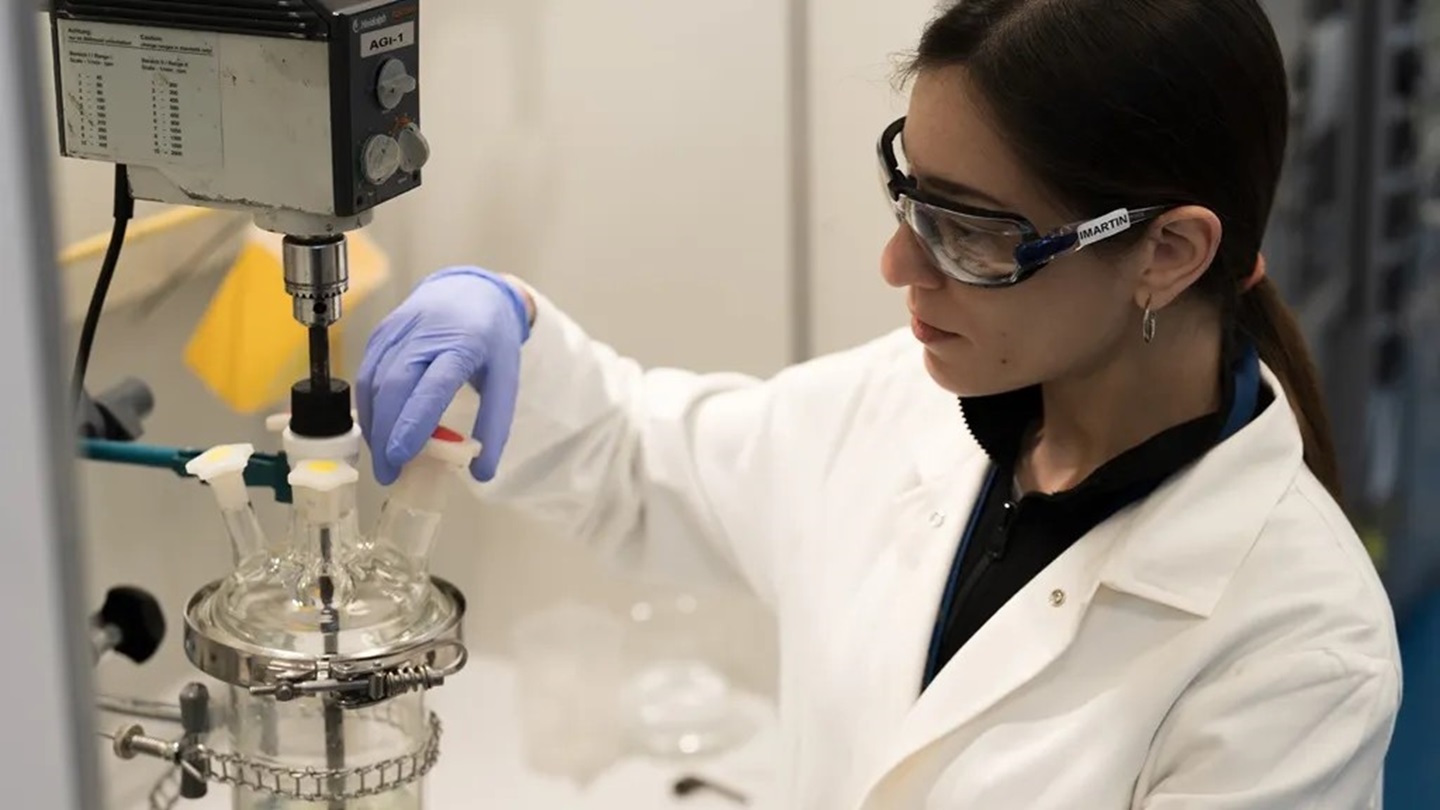
The organisation is implementing technologies such as physicochemical delamination and enzymatic recycling to enhance the efficiency and sustainability of recycling multilayer plastics.
These methods facilitate the reintegration of recycled materials into the production chain or the creation of new plastic products.
The RECIPLUS research project, which is supported by the Valencian Institute for Competitiveness and Innovation (IVACE+i) through European Regional Development Fund (ERDF) financing, is the framework for this initiative.
AIMPLAS chemical recycling lead researcher Mireia Fernández said: “Multilayer materials are complex plastics commonly found in various industrial sectors such as food or chemical packaging, the pharmaceutical industry, automotive, electronics, and construction.
“In the RECIPLUS project, we have explored different strategies to address the recycling of multilayer structures using innovative technologies such as physicochemical delamination with supercritical fluids.”
In addition to physicochemical delamination, AIMPLAS is said to have improved existing separation technologies to enhance efficiency based on the material composition following delamination.
Techniques such as near-infrared separation, air-flow density separation, and triboelectric separation have been optimised as part of this effort.
Fernández further added: “Once the different components of the multilayer material – PE [polyethylene], PET [polyethylene terephthalate], and aluminium – are separated, they can be reintroduced into the value chain as recycled film, for example, thus closing the loop.
“Alternatively, they can be used separately in the production of plastic items. With the recycled polyethylene, and after an additive process to modify its properties, we have manufactured plant pots as an example of circular economy in the plastics sector.”
Furthermore, AIMPLAS is exploring enzymatic delamination, which incorporates enzymes into plastic materials to promote self-biodegradation.
These enzymes have been enhanced through molecular biology techniques to improve their effectiveness.
Collaboration with ACTECO, a company focused on waste management and recovery, and CEBIMAT LAB, a spin-off from Jaume I University that studies material biodegradation, has reportedly been integral to this research.
The RECIPLUS project is part of the 2024 call for research and development initiatives in partnership with companies, aimed at technology centres in the Valencian Community, and is funded by the aforementioned IVACE+i and ERDF.
In May this year, AIMPLAS introduced a new technique for assessing plastic biodegradability, which accelerates testing, making it three times faster than traditional methods.