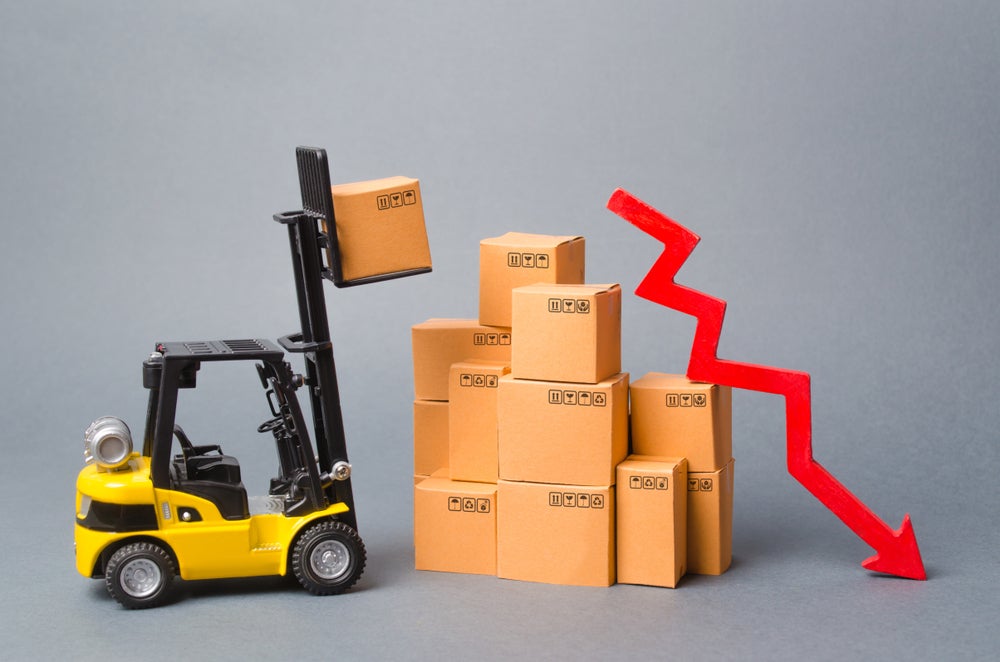
A slump in demand for cardboard packaging is ringing alarm bells across the United States. Far more than just a shipping material, corrugated cardboard is a barometer of consumer activity and industrial health.
When fewer boxes are being made and shipped, it usually signals that households are spending less, businesses are pulling back, and economic momentum is slowing.

Discover B2B Marketing That Performs
Combine business intelligence and editorial excellence to reach engaged professionals across 36 leading media platforms.
Cardboard boxes as an economic indicator
Cardboard boxes may seem ordinary, but they move almost everything in the modern economy—from groceries and electronics to furniture and appliances.
Economists sometimes refer to corrugated packaging demand as the “cardboard box index” because it provides an early glimpse into the state of trade, manufacturing and retail.
Recent figures show shipments of corrugated boxes in the US have fallen to their lowest level in years. This drop matters because consumer spending drives around two-thirds of the American economy.
If businesses are ordering fewer boxes, it suggests fewer goods are being produced, transported and bought. Historically, declines in cardboard demand have preceded wider economic slowdowns.
Causes behind the slump in corrugated demand
Several forces are combining to reduce cardboard usage across the US:
- Post-pandemic adjustment: Online shopping surged during lockdowns, sending box demand to record highs. With consumers now spending less on delivered goods and more on services, packaging orders are normalising at lower levels.
- Trade pressures and costs: Tariffs and shifting trade policies have made raw materials like wood pulp more expensive. Box producers are struggling to keep margins, prompting some to scale back operations.
- Efficiency in packaging: Retailers and e-commerce giants are experimenting with lighter mailers, smaller boxes and reusable packaging. These innovations save costs but reduce the need for traditional corrugated cartons.
- Cooling industries: Construction, automotive and durable goods sectors—heavy users of packaging—are slowing. Weaker investment in these industries trickles down to fewer shipping orders.
Why the cardboard slump matters for the wider economy
Falling demand for packaging does not stop at box manufacturers; it ripples across multiple industries and signals risks for national growth:
- Early sign of recession: Because nearly every product requires packaging at some point, fewer boxes often precede a drop in gross domestic product (GDP) and employment.
- Impact on jobs: Paper mills, packaging plants and timber suppliers are feeling the pinch. Several pulp mills in North America have already closed or reduced capacity, putting thousands of jobs at risk.
- Supply chain stress: Lower demand may keep box prices from soaring, but rising input costs—energy, pulp and transport—still squeeze producers. This imbalance can lead to plant closures and supply shortages if conditions worsen.
- Corporate caution: Lower packaging orders mean firms are holding off on production, delaying expansions, or cutting investment. That can ripple through financial markets and dent economic confidence.
What lies ahead for the US economy
The trajectory of cardboard packaging demand will be closely watched in the months ahead. If consumer spending continues to weaken under the pressure of high borrowing costs and inflation, corrugated shipments may keep sliding.
Conversely, a rebound in retail or e-commerce could stabilise demand.
Another key factor is innovation: more sustainable or reusable packaging could permanently shrink traditional box demand. Whether this represents progress in efficiency or a structural decline for the sector remains to be seen.
For now, the cardboard-box slump serves as a quiet but telling warning sign.
It reminds policymakers, businesses and consumers that the health of something as simple as packaging can reveal much about the broader direction of the US economy.