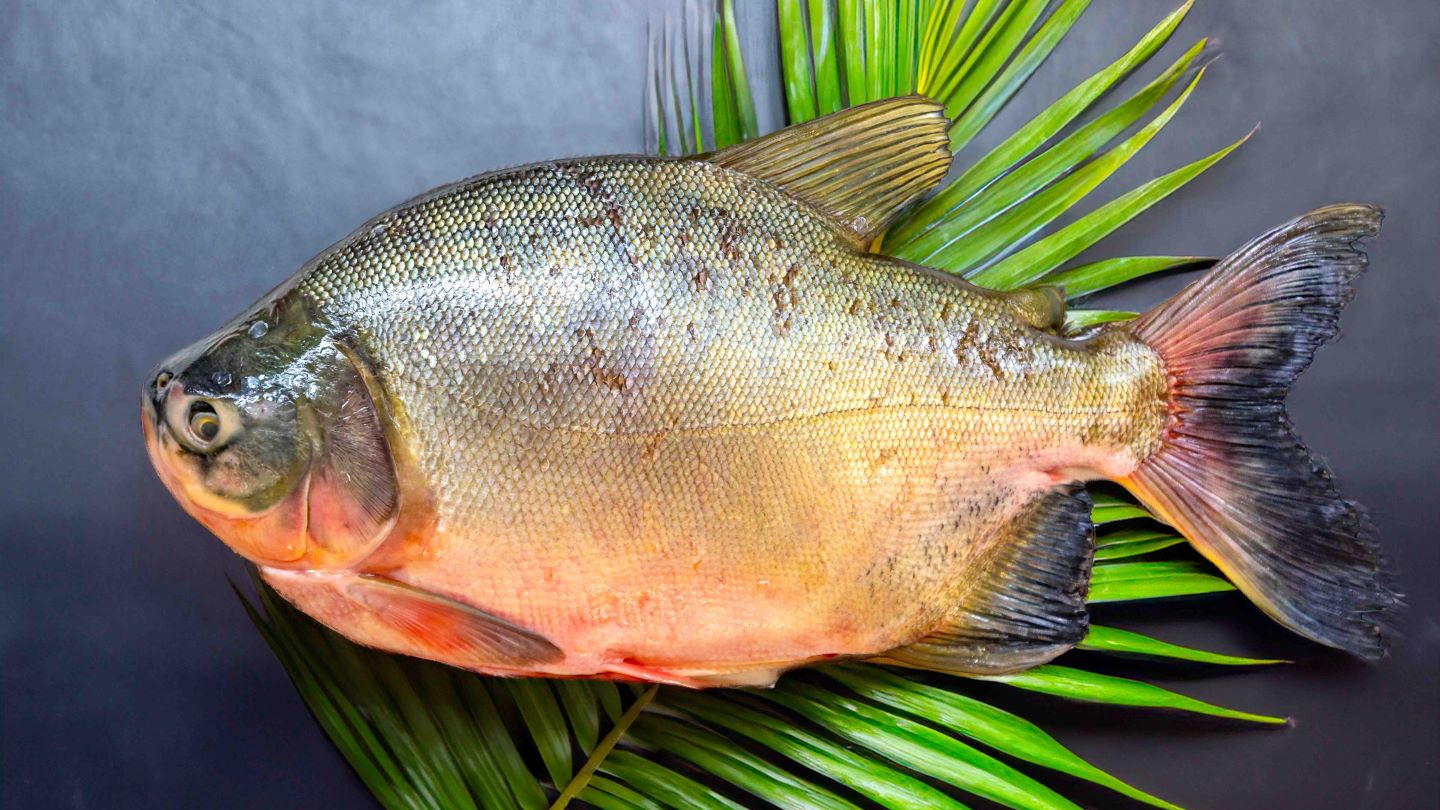
Researchers at the University of São Paulo (USP) and EMBRAPA Pecuária Sudeste have created a biofilm from tambatinga fish skin, aiming to offer an alternative to conventional synthetic food packaging.
A hybrid of female tambaqui and male pirapitinga, tambatinga is known for its rapid growth and high collagen content. Its tropical origin is suggested to contribute to increased amino acid levels in its skin, which may enhance the quality of the extracted gelatin.

Discover B2B Marketing That Performs
Combine business intelligence and editorial excellence to reach engaged professionals across 36 leading media platforms.
The project aims to produce biodegradable polymers and is supported by the São Paulo Research Foundation (FAPESP) through the Food Research Center (FoRC).
These could partially replace plastic films currently used in food packaging.
The details of the research were published in the scientific journal Foods.
USP professor and food engineer Paulo José do Amaral Sobral said: “We’ve been working for over 25 years on the development of films based on biopolymers, such as proteins and polysaccharides, with the aim of applying this material to food packaging and reducing the environmental impact, since there are many problems associated with the accumulation of synthetic packaging in nature.”
“For that reason, for now, they can only be used in dehydrated products, such as nuts and chestnuts.”
USP professor Paulo Sobral supervised work carried out by EMBRAPA researchers Manuel Antonio Chagas Jacintho and Fernanda Ramalho Procopio.
The process involved cleaning tambatinga skins, extracting gelatin with hot water and acetic acid, and then producing films using a mixture of two grams of gelatin per 100g of solution.
Testing found that the material resisted tearing, blocked ultraviolet light effectively, and allowed less water vapour to pass through than other gelatin-based films reported in previous studies.
One challenge noted was the film’s sensitivity to moisture.
Further research is planned to address this limitation and to determine whether such biopolymers could be used in packaging, and pharmaceutical and biomedical applications.
Developing products from tambatinga skin may also benefit the aquaculture industry while encouraging responsible resource use.