In today’s fast-paced consumer market, the role of packaging has evolved far beyond its traditional function of containing and protecting products. Packaging has become a vital component of brand identity and a powerful medium for advertising.
Jenny Stanley, Managing Director at Appetite Creative, shared her insights on the latest trends in packaging and how they are transforming the advertising landscape.
Interactive packaging
One of the most exciting trends in packaging is the integration of interactive elements. “Interactive packaging engages consumers in a way that static packaging simply can’t,” says Stanley.
By incorporating QR codes, augmented reality (AR), and near-field communication (NFC) technology, brands are creating immersive experiences that connect the physical product with the digital world.
“Consumers are looking for more than just a product; they want an experience,” Stanley explains.
“Interactive packaging allows brands to offer additional content, such as tutorials, games, or exclusive discounts, directly through the packaging. This not only enhances the user experience but also provides valuable data on consumer behaviour.”
Sustainability and eco-friendly packaging
Sustainability has become a major concern for consumers, and brands are responding by adopting eco-friendly packaging solutions. “Sustainable packaging is not just a trend; it’s a necessity,” emphasises Stanley.
“Consumers are increasingly aware of the environmental impact of their purchases, and they expect brands to take responsibility.”
Biodegradable materials, recyclable packaging, and minimalistic designs are some of the ways brands are reducing their environmental footprint.
“By using sustainable materials, brands can appeal to eco-conscious consumers and build a positive brand image,” Stanley adds. “It’s a win-win situation.”
Personalised packaging
Personalisation is another trend that is gaining traction in the packaging industry. “Personalised packaging creates a unique and memorable experience for the consumer,” says Stanley. “It makes the product feel special and tailored specifically for the individual.”
Advancements in digital printing technology have made it easier and more cost-effective for brands to produce customised packaging.
“From personalised names on bottles to bespoke designs for special occasions, the possibilities are endless,” Stanley notes. “This level of personalisation helps brands to stand out in a crowded market and fosters a deeper connection with their audience.”
Smart packaging
Smart packaging is revolutionising the way products communicate with consumers. By embedding sensors and smart labels, brands can provide real-time information about the product’s condition, origin, and authenticity.
“Smart packaging offers a new level of transparency and trust,” says Stanley. “Consumers can scan the packaging to verify the product’s authenticity, check its freshness, or even track its journey from production to shelf.”
This technology is particularly beneficial for perishable goods and pharmaceuticals, where ensuring the integrity and safety of the product is crucial.
“Smart packaging not only enhances consumer confidence but also helps brands to combat counterfeiting and ensure regulatory compliance,” Stanley explains.
Aesthetic appeal and shelf impact
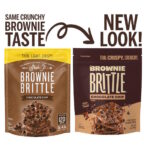
While functionality and innovation are important, the aesthetic appeal of packaging should not be overlooked. “Packaging is often the first point of contact between the consumer and the product,” Stanley reminds us. “It needs to grab attention and convey the brand’s message effectively.”
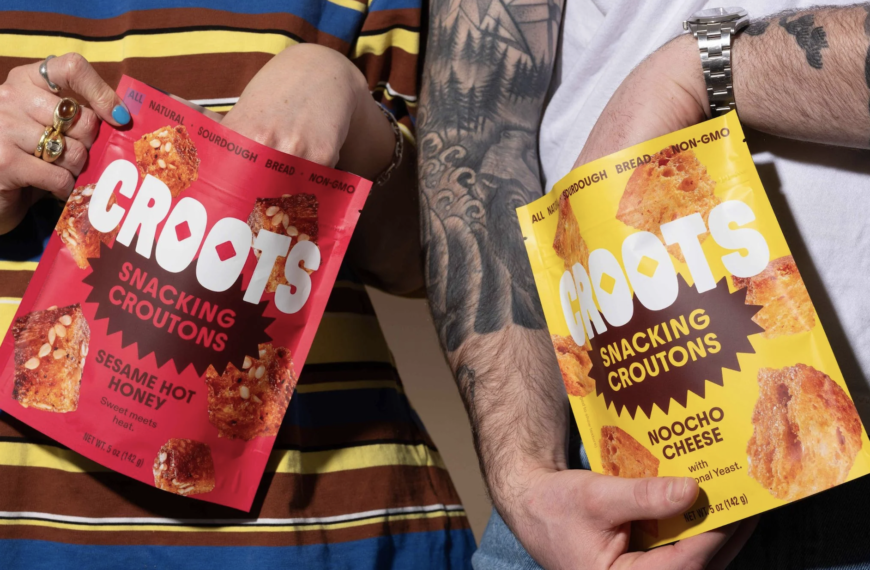
Creative designs, bold colours, and unique shapes can make packaging stand out on the shelves. “The key is to create packaging that is visually appealing and instantly recognisable,” says Stanley.
“Brands need to strike a balance between being innovative and maintaining their brand identity.”
Looking forward
The future of packaging lies in its ability to adapt to changing consumer preferences and technological advancements.
As Jenny Stanley highlights, “Brands that embrace innovative packaging trends can create engaging, sustainable, and personalised experiences that resonate with consumers.”
By integrating interactive elements, focusing on sustainability, offering personalisation, utilising smart technology, and enhancing aesthetic appeal, brands can transform their packaging into a powerful advertising tool.
In an increasingly competitive market, innovative packaging is not just an option; it’s a necessity for brands looking to connect with their audience and stay ahead of the curve.