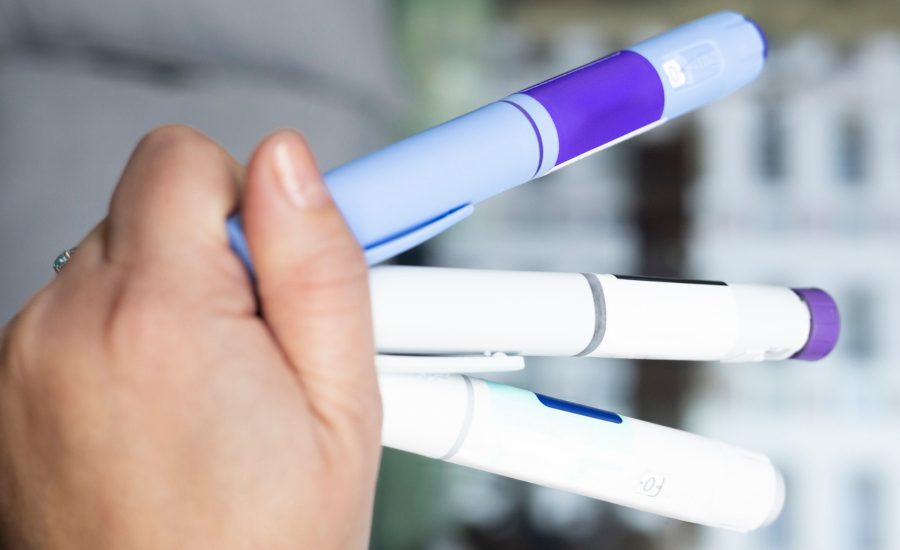
For many food businesses, the signs are already there, but they’re easy to misread. Products that used to move quickly are slowing down. Portion sizes that once made sense now feel oversized. Customers aren’t always saying what’s changed, but their buying behavior is telling a different story.
The challenge isn’t identifying that something is off. It’s understanding what’s actually driving it, and what to do next.
Inline Plastics has worked with food brands and retailers long enough to recognize when a shift in consumer behavior starts to impact packaging decisions. What’s happening now is one of those moments, and it’s being accelerated by something most businesses didn’t plan for: The rise of GLP-1 medications.
Drugs like Ozempic and Wegovy are changing how people eat in a fundamental way. They reduce appetite, alter food preferences, and lead consumers to approach eating with more intention. Instead of larger meals and habitual snacking, many are eating smaller portions and making more deliberate choices about what they buy.
That shift doesn’t just change demand…it changes how food needs to be packaged.
This shift is already showing up in the data. Households using GLP-1 medications are spending less on groceries and moving toward fresher, less-processed foods. At the same time, broader trends point to higher protein intake, improved nutrition, and more intentional consumption.
For food businesses, the issue isn’t demand — it’s alignment. Products are still selling, but packaging formats may no longer match how people actually eat.
So what should you do about it?
The first step is to reassess whether your current packaging supports how your customers are consuming food today — not how they did a few years ago. Most packaging formats in use today were designed fo. a different se. of habits. Larger portions, multi-serve containers, and volume-driven value once aligned with how consumers ate. Now, those same formats can create friction.
Image courtesy of Vegware
As a result, expectations are shifting. Smaller, portion-controlled formats are becoming more relevant because they reduce waste and better match consumption habits. Flexible, snackable packaging is gaining traction, particularly in grab-and-go environments where convenience and portion control intersect. Formats Inline Plastics’ TS3004 and TS3006, designed for single-serve snacks and smaller portions, align with how consumers want to ea. . quickly, intentionally, and without excess.
Flexibility matters more as well. Consumers want the option to eat now or later without sacrificing freshness, which makes secure closures and resealable functionality increasingly important. In many categories, especially fresh and prepared foods, compartmentalization is also becoming more valuable. Solutions like Inline Plastics’ TSSB4CD four-compartment container allow for separation of ingredients while supporting portion control, presentation, and the ability to return to a product without compromising quality.

Image courtesy of Inline Plastics Corp
And while all of this is evolving, expectations around food safety remain high. Features that provide visible assurance, such as tamper-evident packaging, are no longer optional — they are part of the baseline for consumer trust.
At the same time, the role of packaging in the buying decision has become more immediate. Consumers are making faster, more intuitive decisions at the shelf. They’re not just evaluating the product; they’re evaluating whether it fits into their eating plan. Questions like “Will I finish this?” or “Can I save it without it going bad?” are influencing choices in real time, and packaging is what answers those questions first.
None of these changes are happening in isolation. They are all connected to a broader shift in how people think about food.
This isn’t a short-term fluctuation. It’s an acceleration of a larger movement toward smaller portions, more intentional eating, and higher expectations around quality. For food businesses, that creates a clear challenge. Packaging decisions that once worked well may no longer align with how products are being used, and as that gap grows, it becomes harder to maintain performance at shelf.
The opportunity is in recognizing that packaging is no longer a static choice. It plays an active role in whether a product succeeds or struggles in the market.
Adapting to this shift doesn’t necessarily require a complete overhaul. In many cases, it starts with reevaluating how well current formats support real-world consumption.

Photo credit: Love Employee / iStock Photography
Are portion sizes aligned with how customers are eating? Does it reinforce freshness and quality in a way that matches expectations?
These are the questions that will define packaging strategy moving forward.
Presentation remains critical. As portions shrink, each purchase carries more weight, and packaging that clearly showcases freshness and quality can influence whether a product is chosen. At the same time, food safety has become a baseline expectation. Tamper-protected features are no longer differentiators; they are requirements, particularly in grab-and-go environments where trust must be established instantly.
GLP-1 medications are not a future trend. They are already influencing purchasing behavior, product selection, and consumption patterns across the food industry. The businesses that respond early — by aligning packaging with these evolving behaviors — will be better positioned to reduce friction, improve product performance, and stay relevant as expectations continue to shift.
For companies working through what this means for their own packaging strategy, Inline Plastics continues to serve as a resource in helping evaluate where adjustments may be needed and how to move forward with greater clarity.
Ready to see how Inline Plastics’ products can fit in with your existing operation? Speak to one of their dedicated advisors today!