Researchers at Chalmers University of Technology in Sweden have developed a new packaging solution that can reduce the mercury content in canned tuna by 35%, addressing a significant health concern associated with the consumption of the fish.
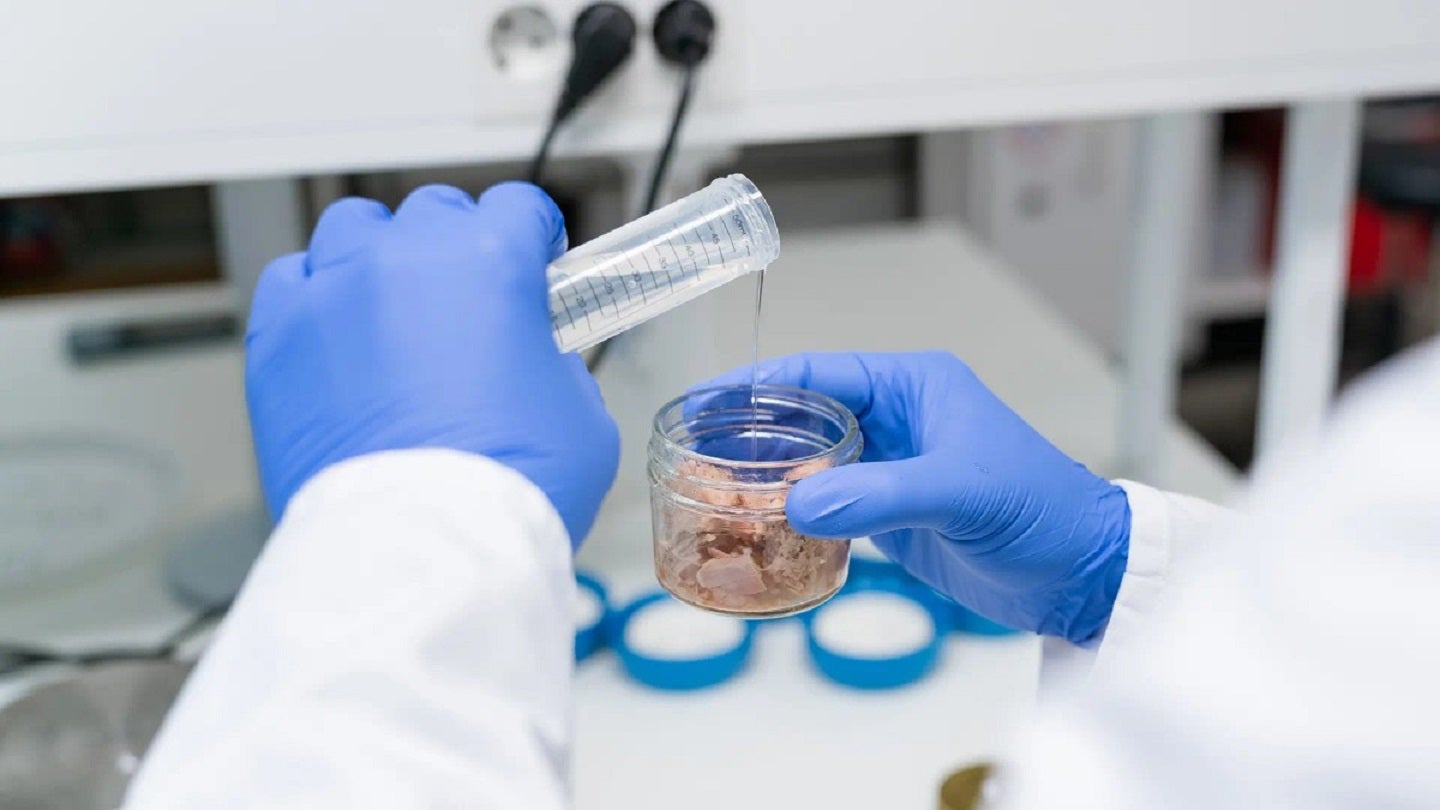
The Chalmers University team has introduced a packaging system that utilises a water-based cysteine solution to interact with the fish, a method known as active packaging.
This breakthrough could have a substantial impact on food safety by mitigating the risks of mercury contamination in tuna.
The World Health Organization (WHO) has identified mercury as among the ten most harmful chemicals to human health.
The new packaging solution could be a safer product for consumers, particularly vulnerable groups such as pregnant women and young children.
The team previously considered using a silica coating to trap any mercury contained in the product.
However, this proved ineffective due to the strong bond between mercury and the proteins in tuna tissue. The approach with cysteine, a sulfur-containing amino acid, however, has shown promising results in reducing mercury levels.
During testing, the researchers experimented with various forms of tuna, including fresh and lab-steamed fish in fillet and mince forms and commercially available canned tuna.
They found that the cysteine solution’s effectiveness was directly related to the fish’s exposed surface area.
The most significant mercury reduction was seen in canned minced tuna, with a 35% decrease in mercury content.
Chalmers University associate professor and Detoxpak project coordinator Mehdi Abdollahi said: “Our study shows that there are alternative approaches to addressing mercury contamination in tuna, rather than just limiting consumption.
“Our goal is to improve food safety and contribute to enhanced human health, as well as to better utilise food that is currently under certain restrictions.”
The researchers noted a two-week maximum threshold for mercury removal, after which no further reduction was observed.