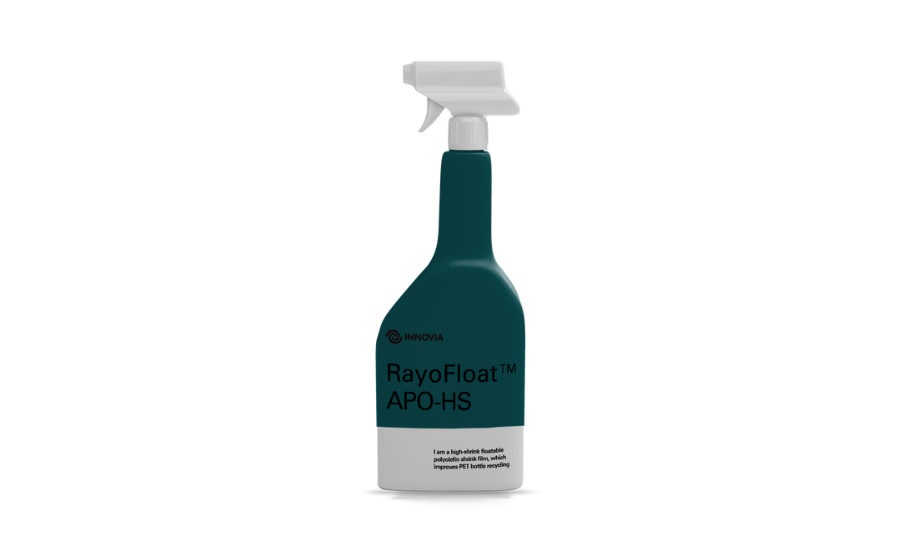
Innovia Films, a material science pioneer and major producer of BOPP films, has announced the wider launch of the next generation shrink sleeve made out of recycling-friendly polyolefin (PO) material.
High-shrink version allows the transition from unsustainable sleeves
“The improvement of this high-shrink version of our RayoFloat™ shrink sleeve enables our customers to switch from PVC or PET-G shrink sleeve that are detrimental to recycling, to a recycling-proof and more sustainable option made from polyolefin. This material is certified by recyclers and has been endorsed by RecyClass in Europe and APR in the United States,” says Lucija Kralj, Business Unit Director Labels EMEA.
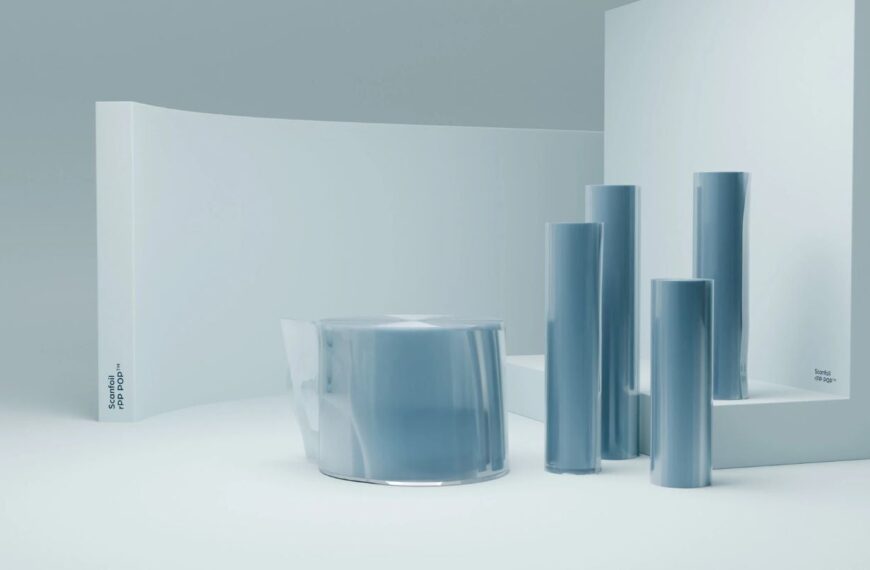
“Polyolefin material was traditionally thought to have lower shrinkage compared to other materials. However, with up to 73% controlled TD shrinkage, the new generation sleeves are now compatible with most packaging formats, particularly bottles, in the market. The shrink sleeves feature a high-gloss finish, excellent clarity, scuff resistance and are compatible with both steam and hot air shrink tunnels, says Jonathan Hewitt, Global Strategic Innovation Projects Manager.
The sleeve is also available in a low-density white version. RayoFloat™ WAPO is an opaque film that contributes to the light blocking properties of the shrink sleeves that later can be applied to containers for light sensitive products. This was developed for light-sensitive products such as dairy, supplements or vitamins. Enabling brands to switch from a white HDPE bottle or opaque PET bottle that are generally not recycled back into food grade packaging to a transparent PET bottle that is widely food grade recycled. The light blocking barrier is moved to the printed sleeve itself.
How does the sleeve perform in recycling?
The sleeve is crafted from a low-density polyolefin material that floats, facilitating the essential sink/float separation process in PET recycling. During this process, the heavier PET flakes sink to the bottom of the container, while the floatable sleeve material rises to the top, where it can be easily collected and removed. This efficient separation results in high-quality, clean PET flakes suitable for recycling back into food grade packaging for the dairy and other industries.