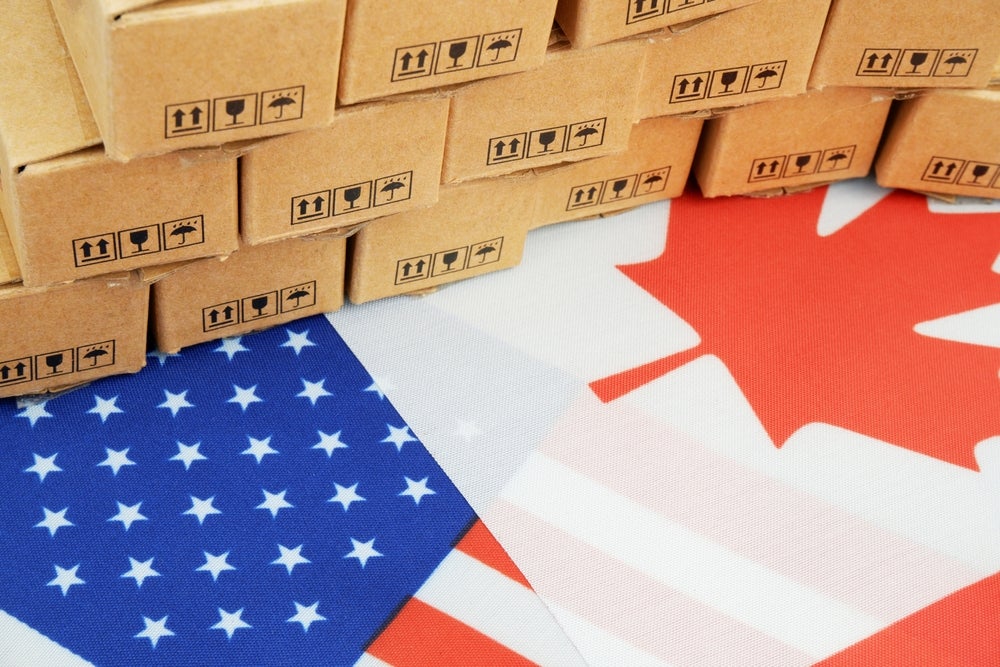
President Donald Trump’s recent imposition of tariffs on imports from Canada, Mexico, and China is poised to have significant repercussions on the packaging industry.
The tariffs, which took effect on 4 March 2025, include a 25% levy on goods from Canada and Mexico, and an additional 10% tariff on imports from China.
These measures aim to address concerns over illegal border crossings and the influx of fentanyl into the United States.
Impact on raw material costs
The packaging industry relies heavily on materials such as steel, aluminium, paper, and plastics. Canada, being a major supplier of these materials to the U.S., is directly affected by the new tariffs.
The increased costs of importing these raw materials are expected to escalate production expenses for packaging manufacturers.
This surge in costs could lead to higher prices for end consumers, affecting a wide range of packaged goods.
Supply chain disruptions
The tariffs are anticipated to cause disruptions in the packaging supply chain.
Companies may seek alternative suppliers or consider relocating parts of their operations to mitigate the impact of increased costs. Such adjustments could result in delays and inefficiencies, affecting the timely delivery of packaging materials and products.
Additionally, the uncertainty surrounding trade policies may hinder long-term planning and investment within the industry.
Potential shift towards sustainable alternatives
In response to rising costs associated with traditional packaging materials, businesses might explore more sustainable and cost-effective alternatives.
This shift could accelerate the adoption of biodegradable or recyclable materials, aligning with global trends towards environmental sustainability.
However, transitioning to new materials requires investment in research and development, as well as adjustments in manufacturing processes, which could pose challenges for companies in the short term.
The full extent of the tariffs’ impact on the packaging industry will unfold over time.
Companies will need to navigate these challenges by reassessing their supply chains, exploring alternative materials, and potentially passing on some of the increased costs to consumers.
Close monitoring of the situation and strategic planning will be essential for businesses to adapt to the evolving trade landscape.