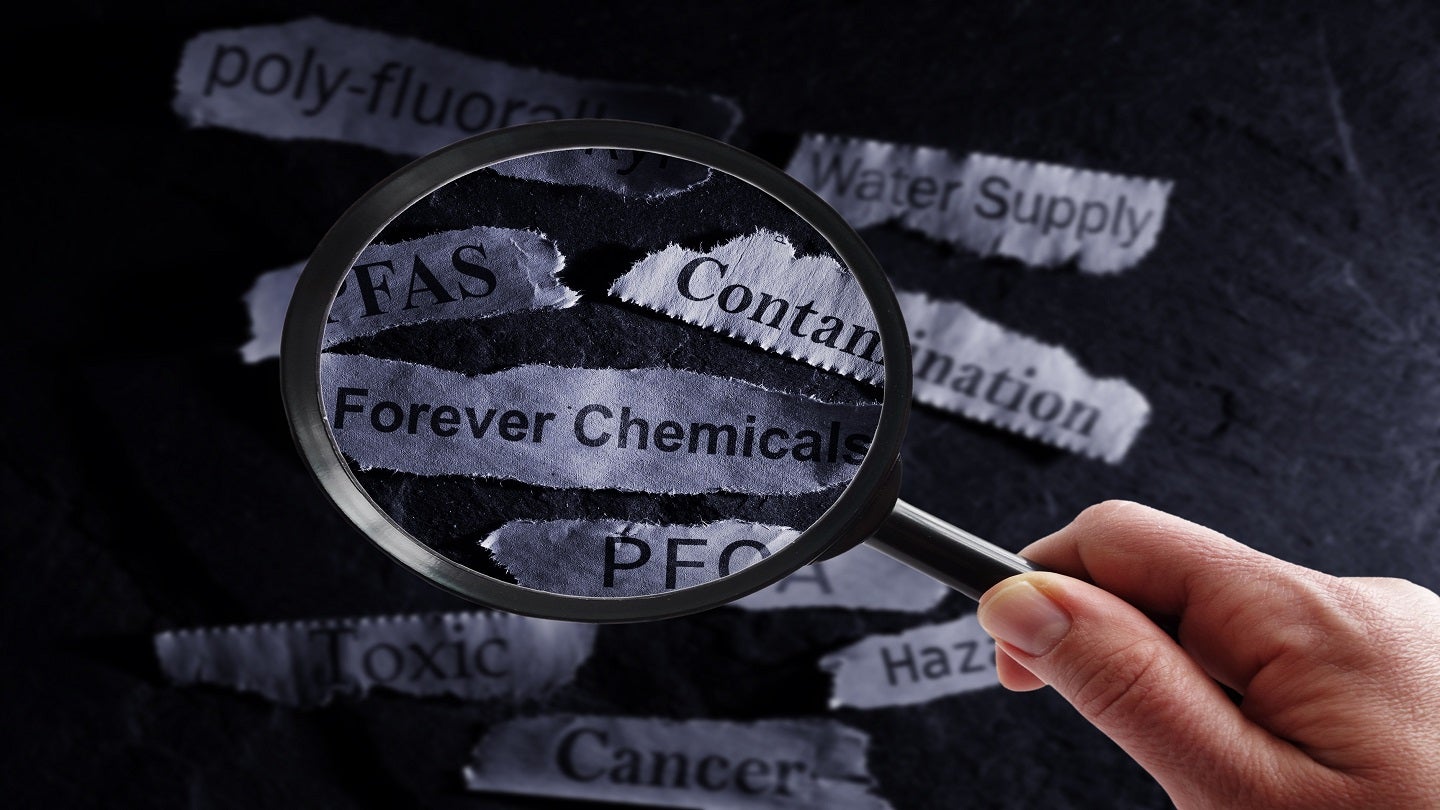
The Government of Canada is taking steps to protect public health and the environment by addressing the potential dangers of per- and polyfluoroalkyl substances (PFAS), also known as ‘forever chemicals’, found in food packaging and other products.
This initiative includes the publication of the State of PFAS report, which concludes that PFAS, excluding fluoropolymers, pose risks to both human health and the environment.
To mitigate these risks, the Canadian government plans to propose adding PFAS to Part 2 of Schedule 1 of the Canadian Environmental Protection Act, 1999 (CEPA).
The government said that it will adopt a phased approach, prioritising health and environmental protection while considering alternative options.
Phase I, starting this year, will focus on replacing PFAS in firefighting foams to enhance protection for firefighters and the environment. Phase II, meanwhile, will aim to limit PFAS exposure in ‘nonessential’ products such as food packaging materials, cosmetics, and textiles.
Additionally, from this year, the Government of Canada will mandate domestic manufacturing and other facilities to report PFAS usage to the country’s National Pollutant Release Inventory.
This data collection will enhance understanding of PFAS usage in Canada, aid in evaluating potential industrial contamination, and support efforts to reduce environmental and human exposure to the substances.
Canadians are invited to provide feedback on the Risk Management Approach and the Proposed Order to add PFAS to Part 2 of Schedule 1 of the CEPA until 7 May 2025.
Canada Minister of Environment and Climate Change Steven Guilbeault said: “Today, the government is taking a significant step forward to better protect workers, firefighters, and all Canadians from ‘forever chemicals’.
“Science shows that the ongoing use of PFAS can harm both the environment and human health. With this announcement, we are leading the way with our partners – including Indigenous peoples and industry experts – to protect not only the health of our ecosystems and Canadians but also the resilience of our economy.”
In March 2023, the Toronto Star highlighted a University of Toronto study revealing PFAS in Canadian food packaging.