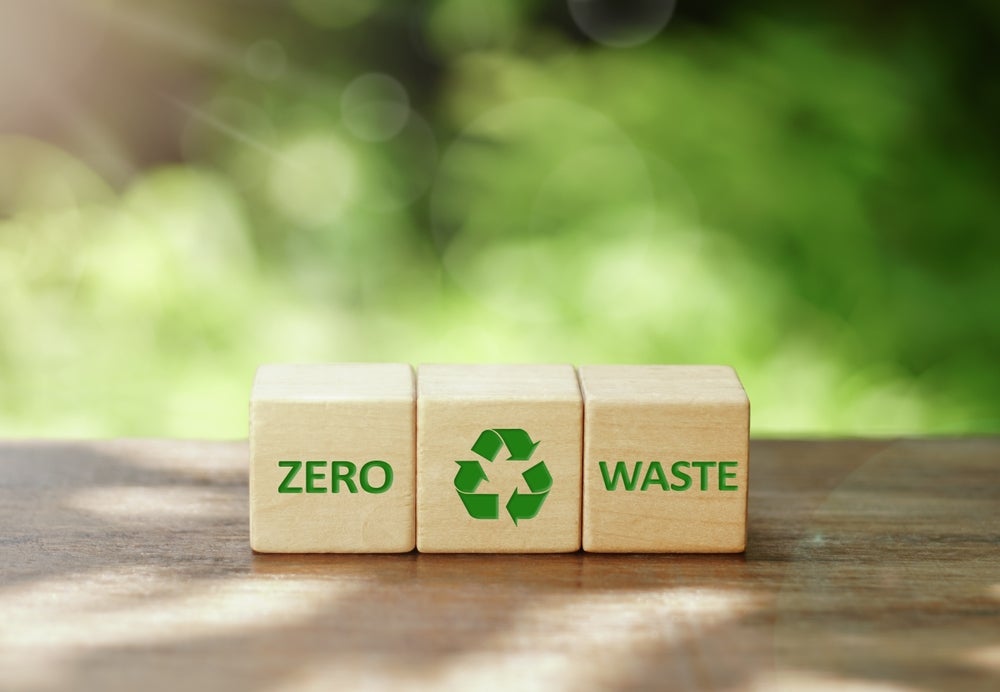
The British authorities has announced new measures to transition industries towards a circular economy, aiming to reduce waste and improve sustainability.
Environment Secretary Steve Reed outlined the plans in a speech to industry leaders in London, emphasising the need for innovation and systemic change in key sectors.
Key sectors identified for change
As part of the initiative, the government has established an independent Circular Economy Taskforce, chaired by Andrew Morlet, former CEO of the Ellen MacArthur Foundation.
The taskforce will focus on five priority sectors: textiles, transport, construction, agri-food, and chemicals & plastics. These industries have been identified as having the highest potential to reduce waste while driving economic growth and environmental benefits.
The taskforce will develop sector-specific roadmaps, with a broader Circular Economy Strategy set for publication in the autumn. The aim is to provide businesses with the clarity and direction needed to invest in sustainable practices and infrastructure.
Impact on businesses and economy
Reed highlighted the economic advantages of shifting to a circular economy, stressing that businesses could unlock new revenue streams by reducing reliance on imported materials and increasing efficiency.
The government estimates that its waste reforms, including changes to collection and packaging processes, could generate up to £10 billion in investment for new recycling infrastructure and create around 21,000 green jobs.
Recent global disruptions, including geopolitical instability, have exposed vulnerabilities in supply chains.
The move towards a circular economy is intended to strengthen domestic industries by making better use of locally sourced materials, reducing dependency on imports, and enhancing national security.
Next steps for policy implementation
The transition to a circular economy aligns with the government’s broader Plan for Change, which aims to drive economic growth while tackling environmental challenges.
Officials from the UK Government, the Dutch Government, and the City of London Corporation have begun discussions on financing strategies to support businesses in adopting circular practices.
The initiative has received support from industry experts, including Libby Peake from the Green Alliance, who noted that the current economic model is inherently wasteful and contributes to environmental degradation.
By embedding circular principles into industry practices, the government hopes to reduce landfill waste, lower carbon emissions, and foster long-term economic resilience.