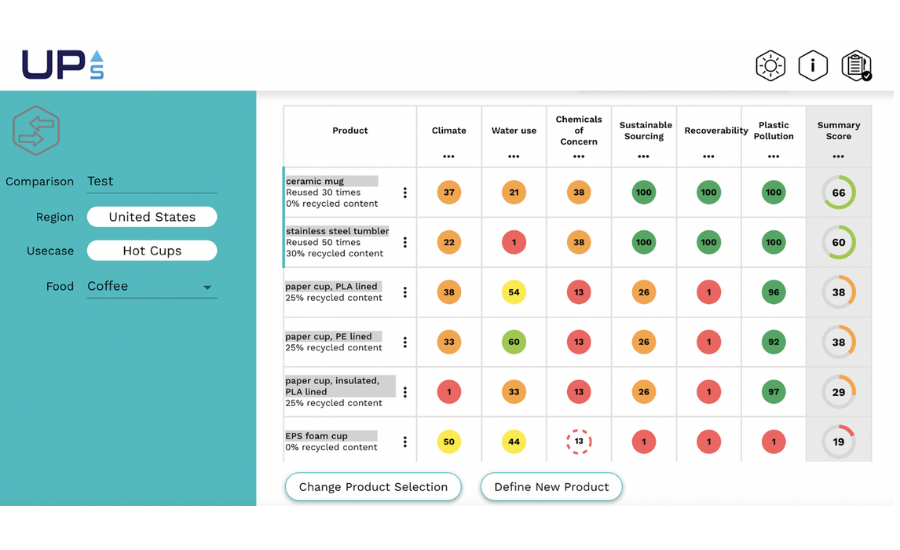
The newly complete Understanding Packaging (UP) Scorecard Version 1.0 offers an accessible and comprehensive way to choose healthier and more sustainable food packaging. This tool has been in beta testing since 2021 and is a game changer to help businesses and individuals evaluate the environmental and human health impacts of foodware and packaging choices. UP Scorecard is a project of the Single-Use Material Decelerator, or SUM’D, a team of leading foodservice companies, NGOs (including Plastic Pollution Coalition), and technical experts coordinated by the Food Packaging Forum Foundation.
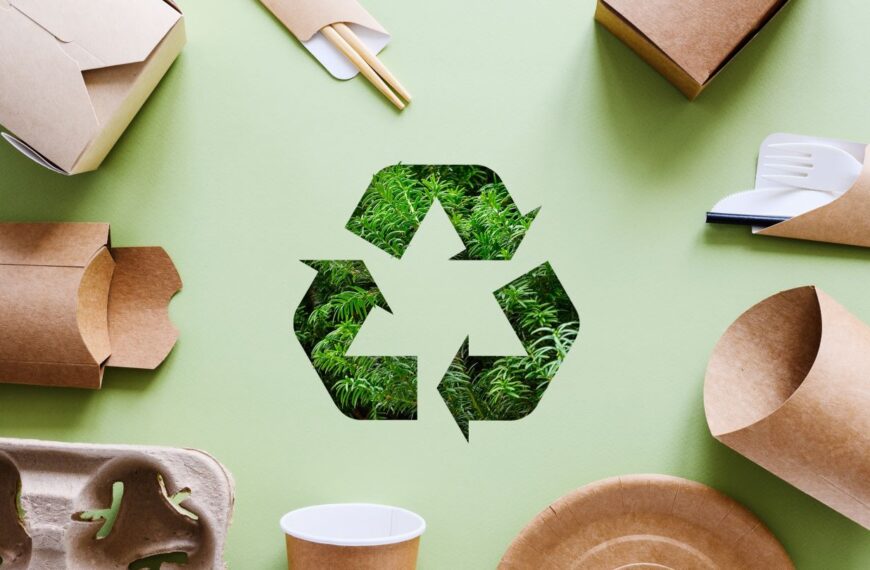
While single-use plastic and other types of “throwaway” food packaging and foodware may appear to be convenient, their negative impacts on environmental and human health can be significant. Some reusable options, like those made of plastic, are not as green as they seem. From plastic pollution and carbon emissions to potential chemical exposure, there are numerous trade-offs to consider when choosing between different types of single-use and reusable packaging. Making sustainable and healthy decisions can be difficult due to the complexity and variety of packaging options available.
The UP Scorecard goes beyond environmental impacts and also considers human health factors, particularly harmful chemicals in packaging. The tool uses peer-reviewed research to identify chemicals that could migrate into food and pose health risks, making it a unique resource for sourcing safer and more sustainable food packaging.
The UP Scorecard also emphasizes reuse and circularity. Every assessment encourages users to compare single-use packaging with reusable alternatives, providing clear data on the environmental and human health advantages of reusables.
Using the UP Scorecard
The UP Scorecard is designed for anyone in the food supply chain (including foodservice providers, manufacturers, and sustainability professionals) who wants to make informed, sustainable choices for foodware and packaging. It is also valuable for organizations focused on plastic pollution and consumers seeking to reduce their environmental footprint and prioritize human health and safety. There’s a comprehensive help guide available for those new to the topic of choosing food packaging and why better decisions are so important for people and the planet.
How It Works
The UP Scorecard evaluates foodware and packaging based on six key metrics:
- Plastic Pollution
- Chemicals of Concern
- Recoverability
- Climate Impact
- Sustainable Sourcing
- Water Use
Each product receives a score for these metrics, which are then aggregated to provide an overall sustainability score. This makes it easier to compare products and make informed decisions, whether you’re a business looking to switch to more sustainable and healthy options or a consumer interested in better packaging choices.
What’s New in This Launch
The full launch of version 1.0 introduces several updates that make the UP Scorecard comprehensive:
- “Ecoville” Benchmarking: A fictional city, “Ecoville,” has been introduced as a model of sustainability. Users can use this benchmark to assess how their product choices stack up against Ecoville’s ideal practices.
- Expanded Materials & Container Types: New materials, such as melamine and steel, and new container types are now available for assessment.
- Portfolio Comparisons: Users can compare multiple product portfolios, track progress, and forecast sustainability improvements as they switch to more sustainable options. New performance indicators, like land use and waste diversion, have also been added to help track long-term impacts.
- Updated Chemicals of Concern: The list of chemicals to avoid has been updated based on the latest science, providing a comprehensive identification of harmful substances in food packaging. This helps businesses make better decisions for public health and stay ahead of regulations.
Looking ahead, the Food Packaging Forum Foundation plans to continue enhancing the UP Scorecard by adding more geographic regions, materials, and products. The goal is to keep the tool updated with the latest scientific findings and user feedback to ensure it remains the most reliable resource for sustainable and healthy packaging decisions.
Take Action
With the launch of the UP Scorecard, businesses and consumers now have a powerful tool at their fingertips to help navigate the complex world of food packaging sustainability and safety. By using the UP Scorecard, you can make informed decisions that reduce your environmental impact while also protecting human health. As the packaging landscape evolves, the UP Scorecard will continue to evolve with it—providing transparency and a path toward a more sustainable future.