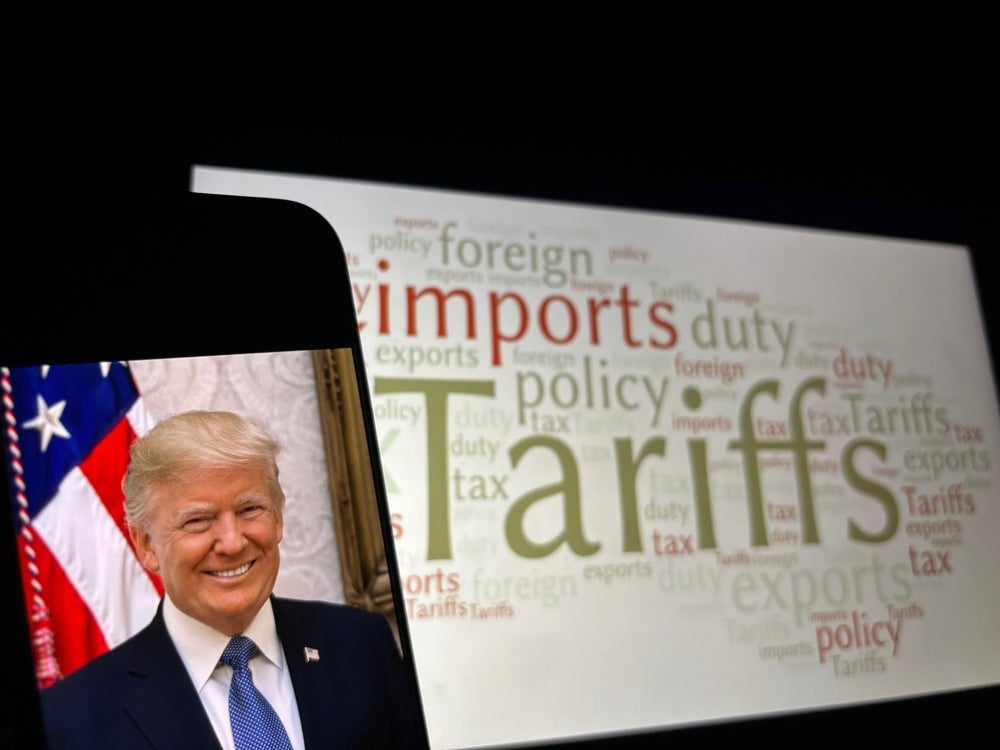
With Donald Trump in his second term in office, the economic landscape in the US continues to reflect the long-lasting impacts of his trade policies, particularly within industries like packaging.
Though the headlines during the US-China trade war of 2018-2019 were dominated by disputes over steel, automobiles, and agriculture, the quieter, yet significant, consequences for the packaging sector are still being felt today.
For many US packaging firms, Trump’s tariffs reshaped cost structures, supply chains, and long-term strategies—challenges that continue to define their operations.
While these policies were initially justified as efforts to reinvigorate domestic manufacturing, the reality for packaging companies was more complex.
Rising material costs, supply chain disruptions, and ongoing policy uncertainty have had a lasting effect on this critical industry, with implications far beyond the trade wars themselves.
Materials under pressure
The packaging industry is an exceptionally material-intensive sector, reliant on raw materials such as aluminium, steel, paperboard, and plastics.
When the Trump administration imposed tariffs on aluminium and steel imports in 2018, costs for these essential components quickly surged.
For packaging giants like Ball Corporation and Crown Holdings, the tariffs represented a significant burden, driving up the price of materials like aluminium used in beverage cans and steel for containers.
In some cases, these cost increases were passed onto consumers. However, given the competitive nature of the packaging market, many firms struggled to fully offset these price hikes, leading to squeezed profit margins. Smaller companies in particular faced difficulties, as they lacked the negotiating power to adjust prices or secure cheaper alternatives.
While plastic packaging companies weren’t directly impacted by steel and aluminium tariffs, they experienced indirect effects. The retaliatory tariffs imposed by China and other trading partners on US products disrupted the petrochemical sector, leading to rising resin costs.
With plastics a central element in packaging materials, this further compounded cost pressures across the industry.
Supply chain disruptions and uncertainty
The Trump administration’s aggressive trade stance introduced a level of volatility that disrupted global supply chains—an especially critical factor for packaging firms.
The increased tariffs and retaliatory measures between the US and its trade partners, particularly China, left many packaging manufacturers scrambling to find alternative suppliers and adjust their sourcing strategies.
Packaging companies that had historically relied on imports from China for machinery or components found themselves at a crossroads. With tariffs escalating on Chinese-made goods, the cost of these essential items rose, disrupting established procurement routes.
Additionally, Chinese retaliation impacted US agricultural products, reducing demand for packaging solutions tied to export markets. The knock-on effect was felt throughout the entire packaging value chain.
This uncertainty in global trade also led many firms to rethink their investment plans. Long-term capital projects were put on hold, while others sought to requalify suppliers or diversify sourcing strategies—often at considerable expense.
For many packaging companies, the prospect of shifting supply chains or retooling operations was costly, while the unpredictability of trade policy made future planning more difficult.
Domestic gains that never materialised
One of the core justifications for the tariffs was the notion that increasing the cost of imported materials would encourage domestic production, creating jobs and boosting local manufacturing.
For the packaging industry, however, these promises largely failed to materialise.
Although US manufacturers faced increased prices for key materials like steel and aluminium, the domestic production capacity for these materials simply wasn’t sufficient to meet the demand.
US production of aluminium, for instance, couldn’t keep up with the growing need for packaging products, particularly in the beverage sector. As a result, packaging firms continued to rely on imports, but at significantly higher prices due to the tariffs.
Likewise, the expected revitalisation of the US machinery and equipment manufacturing sector has not materialised to any substantial degree. Many packaging firms still depend on countries like Germany and Italy for specialised packaging machinery, given their long history of technological leadership in the sector.
In addition, the reduced global demand for US agricultural exports—caused by retaliatory tariffs from China and other countries—negatively impacted packaging solutions tied to the food and beverage industry.
Packaging firms in these sectors, already dealing with rising raw material prices, found themselves navigating an increasingly complex landscape of shifting trade flows.
Lessons and outlook
Now, as we enter April 2025, the impact of Trump’s trade policies is still being felt in the US packaging industry. Some companies have adapted by diversifying supply chains and focusing on automation to offset higher material and labour costs.
Others have faced consolidation or are grappling with shrinking margins as they continue to contend with the legacy of tariffs and trade uncertainty.
The key lesson from this period is the importance of flexibility. Companies that were able to pivot and diversify their sourcing strategies, forge new supplier relationships, and quickly adjust their pricing models have been able to weather the storm.
Those that were slow to adapt, however, continue to struggle under the weight of higher costs and a fragmented global supply chain.
Looking ahead, the packaging industry will remain vulnerable to shifts in trade policy and global economics. The possibility of new tariffs, trade disputes, or changes to existing trade agreements remains a constant challenge.
However, with a focus on supply chain resilience, strategic sourcing, and technological investment, packaging firms can continue to navigate this uncertain terrain.
Under Trump’s second term, the long-term effects of his trade policies on the packaging industry remain a cautionary tale of how seemingly distant policy decisions can reverberate through every corner of the economy.
While the immediate impacts of tariffs may have faded, the broader lessons about the need for strategic foresight, supply chain agility, and adaptability remain as relevant as ever.