Recent geopolitical developments —including the turmoil in global trade created by U.S. tariffs on specific countries—are injecting fresh uncertainty into an industry already under scrutiny due to its environmental footprint. These forces are causing companies to adopt defensive, short-term behaviors: they are insulating margins, re-engineering around trade barriers, and optimizing for supply resilience rather than long-term transformation.
In a recent article, Boston Consulting Group (BCG) explores how packaging companies can look beyond the current market uncertainty to position themselves for success in a five- to ten-year horizon.
“We believe the North American packaging industry stands at a fork in the road,” BCG says. “On the one hand, companies can choose reactive strategies that double down on legacy substrates and short-term cost containment. On the other, they can select proactive moves to build resilience, invest in innovation, and prepare for the likely long-term shift toward sustainability that could rewire the market in the years to come.”
To help industry players navigate this juncture, BCG explores the megatrends shaping the future of packaging in North America—and how companies can position themselves to lead, not just adapt.
BCG cites five megatrends that it believes will reshape North American packaging:
Geopolitics and Trade
“Shifting global trade relationships and changes in trade-related policies are set to have a material impact on North America’s packaging industry. While the eventual tariff outcomes remain in flux, it’s clear their impact on global trade would be lasting and significant and would reshape the cost calculus for packaging materials,” BCG says. “Further, the global trade order will continue to see growing protectionism and regionalism for years to come. These measures are pushing companies to diversify supply, substitute substrates, and re-evaluate packaging choices.
Convenience and Mobility
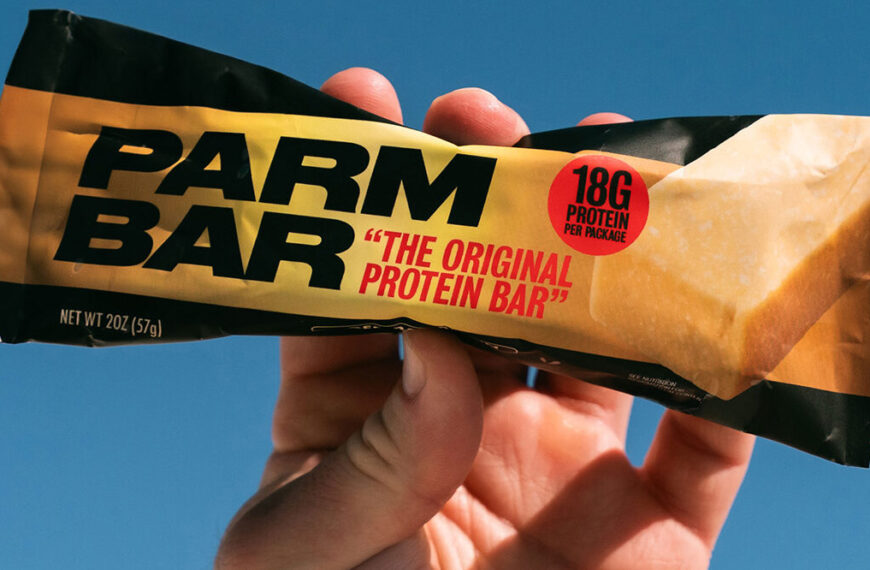
BCG notes that North American consumers continue to prioritize convenience. The popularity of on-the-go lifestyles and the pressure to squeeze more leisure and work into the same amount of time are increasing the demand for portable and convenient packaging formats (including resealable, single-serve, and ready-to-use products) and resulting in downsizing (smaller average unit sizes, often leading to an overall increase in packaging demand).
Ecommerce
With the continued growth of online shopping, packaging must serve dual roles: protection during transit and an extension of the brand experience. These roles are driving interest in simplified, sturdy, and increasingly sustainable formats that reduce over-packaging and improve unboxing experiences.
Health and Wellness
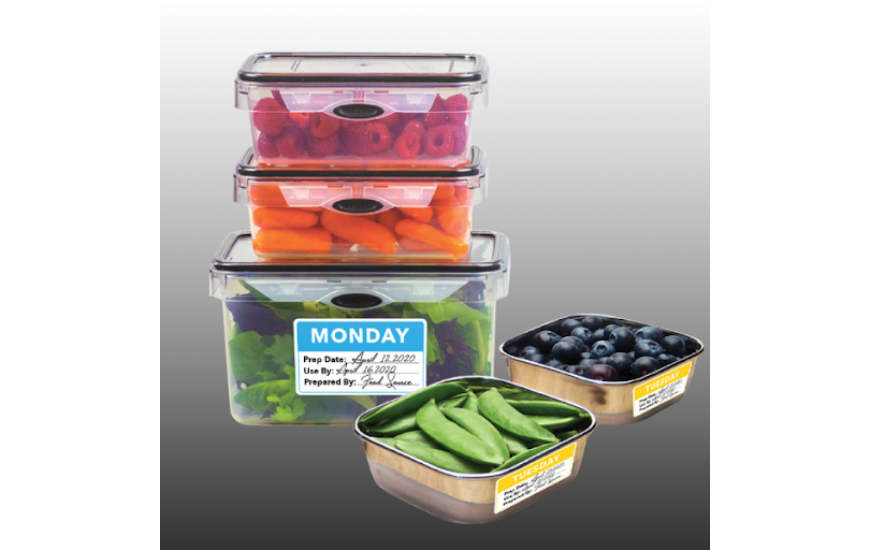
As consumers become more health-conscious, they are choosing better-for-you products, creating shifts in product choices (e.g., fresh produce over prepackaged foods). At the same time, packaging must safeguard product integrity, especially for food, supplements, and cosmetics. This requirement increases demand for better barrier properties and reduces demand for packaging materials seen as potentially contaminating (e.g., due to microplastics).
Sustainability
Sustainability remains high on the agenda for many global brands—given regulatory action and infrastructure investment in Europe and other parts of the world. In the United States, state-level legislation, rising consumer awareness, and innovations in recyclable mono-materials and bio composites are building momentum. Across most substrates, BCG sees a move toward lightweighting and increased use of post-consumer recycled content as input. “The challenge for packaging players remains aligning functional performance and cost with environmental benefits at scale,” BCG says.
The full article by BCG can be found here.