A new smart food packaging system that powers itself without batteries could help reduce food waste and improve sustainability, researchers say.
The innovation allows packaging to sense food conditions in real time and automatically respond, offering a potential breakthrough in the fight against spoilage.
Wireless system detects food freshness
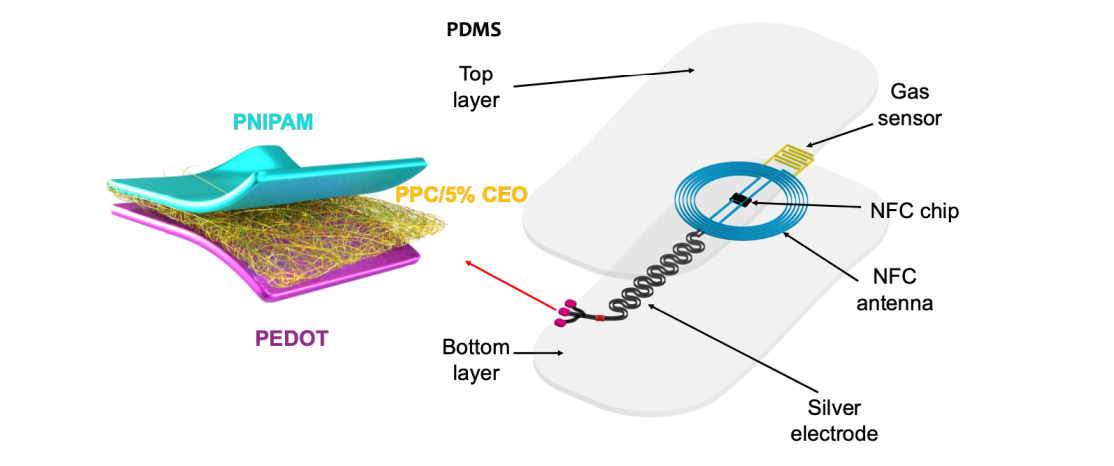
Developed by a team of engineers and scientists, the smart packaging can monitor the condition of food through built-in sensors. These sensors detect changes such as temperature, humidity, and gases released by decaying products.
Once a change is detected, the system activates a response—such as releasing a preservative or absorbing moisture—to extend the food’s shelf life.
Unlike traditional packaging, this system does not rely on batteries. Instead, it uses wireless power and energy-harvesting technologies to function independently. That means it can operate continuously and reliably without needing replacements or recharging.
Real-time response without external power
One of the key features of the system is its closed-loop design. It not only senses changes but also reacts by releasing specific compounds stored inside the packaging.
These might include antimicrobial agents or other substances that help preserve freshness. This reaction happens automatically and in real time, without human input or external power sources.
The packaging communicates wirelessly with external devices to provide updates about the food’s condition. This could allow suppliers or consumers to receive alerts when food begins to spoil, enabling quicker action to prevent waste.
Sustainability and waste reduction goals
Food waste remains a significant issue globally, contributing to both economic loss and environmental damage. According to experts, smart food packaging like this could help reduce spoilage throughout the supply chain—from production and transport to retail and home storage.
Because the system is battery-free and designed to be lightweight, it aligns with wider sustainability goals. Researchers suggest it could be adapted for various types of perishable goods, potentially making a meaningful difference in both developed and developing markets.
The full report detailing the technology is available on the research platform arXiv, where the team outlines the materials, sensors, and wireless components involved in the system’s design.