A recent paper published on the Microplastics and Nanoplastics forum has called for an approach to scientific engagement with communities in addressing the escalating plastic pollution crisis.
The report emphasises the importance of treating communities as equal partners in co-creating research and solutions, rather than passive recipients of scientific knowledge.
The research, developed at the National Oceanography Centre, advocates for a departure from top-down approaches that see communities merely as vessels for information.
Instead, the paper argues for a model that fosters long-term, reciprocal engagement, centring on lived experiences, local expertise, and social justice to drive meaningful change.
The National Oceanography Centre’s Dr Alice Horton said: “Communities are not ‘out there’ waiting to be engaged. They are dynamic, diverse, and already playing critical roles in shaping how we understand and respond to ocean plastics.”
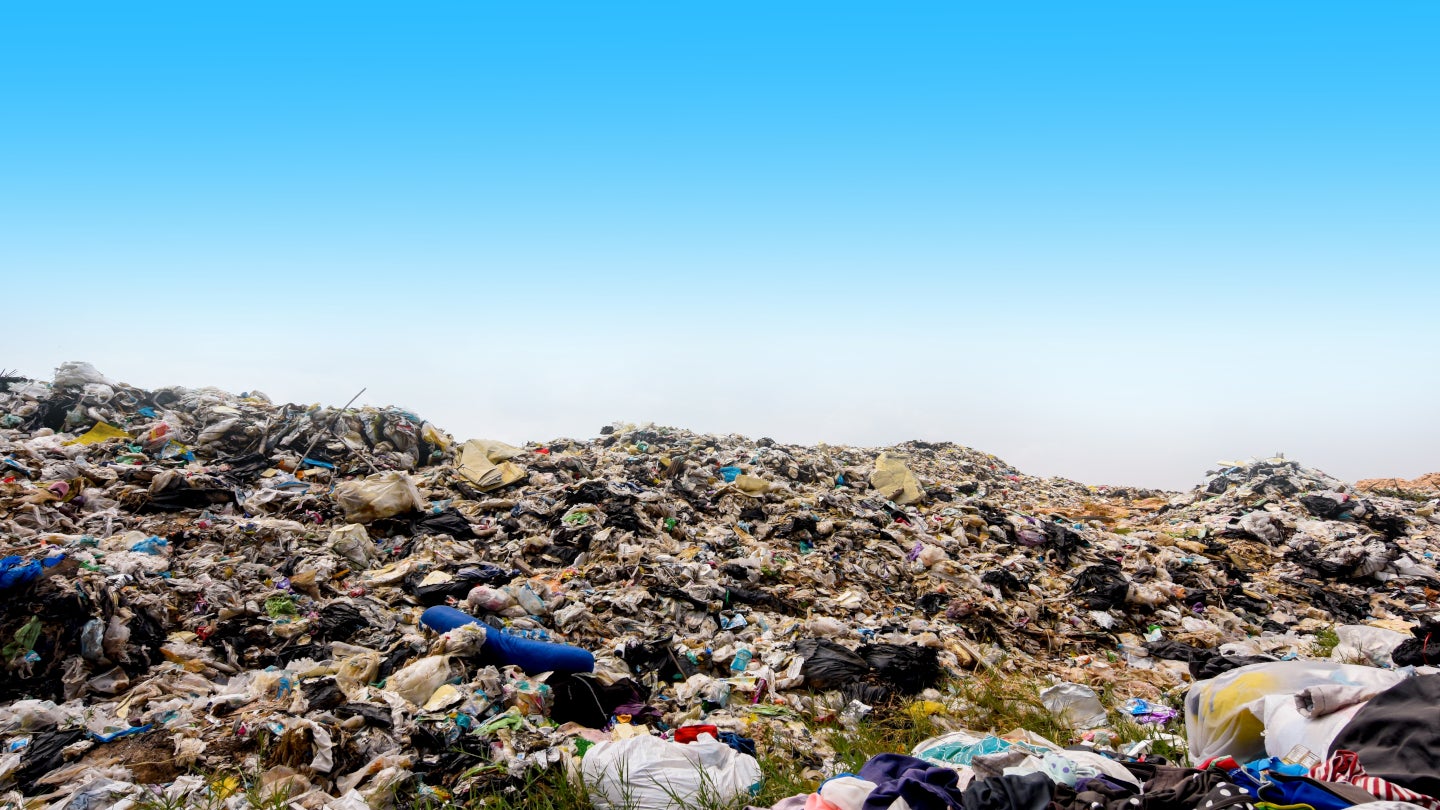
Despite ongoing scientific warnings, the amount of plastic waste entering the oceans is projected to increase significantly. By 2040, it is estimated that up to 29 million tonnes of plastic could be polluting the seas annually, more than double the figure from 2010.
The paper outlines four distinct community types – geographical, practical, virtual, and circumstantial – and proposes new engagement ‘rules’ for scientists. These rules emphasise the co-design of research projects, validation of local knowledge, and recognition of diverse cultural relationships with the ocean and plastics.
Highlighting a range of international case studies, the authors showcase the various ways communities are already addressing plastic pollution. From puppet shows and art to citizen science and indigenous knowledge, these community-led initiatives are reportedly often more effective than traditional institutional approaches.
A notable example is provided by researchers from the University of Portsmouth in Kenya. They collaborated with waste pickers to co-create a legislative theatre piece, which gave these individuals a voice in policymaking and highlighted the systemic challenges they face.
University of Portsmouth Revolution Plastics Institute deputy director Dr Cressida Bowyer said: “Community members bring valuable insight and agency to this issue. We’ve seen examples from Kenya to the Philippines where local actions, often overlooked by formal science, are leading the way.”
The paper contrasts this collaborative method with traditional science communication, which is deemed insufficient for tackling today’s complex environmental challenges. With the upcoming international negotiations on a potential global plastics treaty in Geneva, Switzerland, set for August 2025, the paper’s release is timely.
There is a concern that these talks may overlook indigenous and non-Western knowledge systems, potentially repeating exclusionary patterns seen in past environmental efforts.
The authors conclude that for scientific research to effectively combat plastic pollution, it must be deeply integrated into society. This integration is crucial for developing sustainable solutions that are both inclusive and culturally sensitive.