The REDYSIGN project, a collaborative initiative aimed at developing circular, fibre-based packaging (FBP) for fresh meat, has achieved a significant milestone to improve traceability in the sector.
The project’s second key phase focuses on integrating identification markers and digital sorting technologies to enhance the sorting of biocontaminated fresh meat packaging.
The integration of specific identification markers into each component of fresh meat packaging is one of the core technologies of the REDYSIGN project.
The markers include the tray, absorbent pad, and lidding film, facilitating accurate sorting and optimising sanitation treatments.
Over the project’s first 18 months, partners Fábrica Nacional de la Moneda y Timbre-Real Casa de la Moneda (FNMT), Tecnalia, and PACKBENEFIT developed detection systems for both these traceability markers and pollutants.
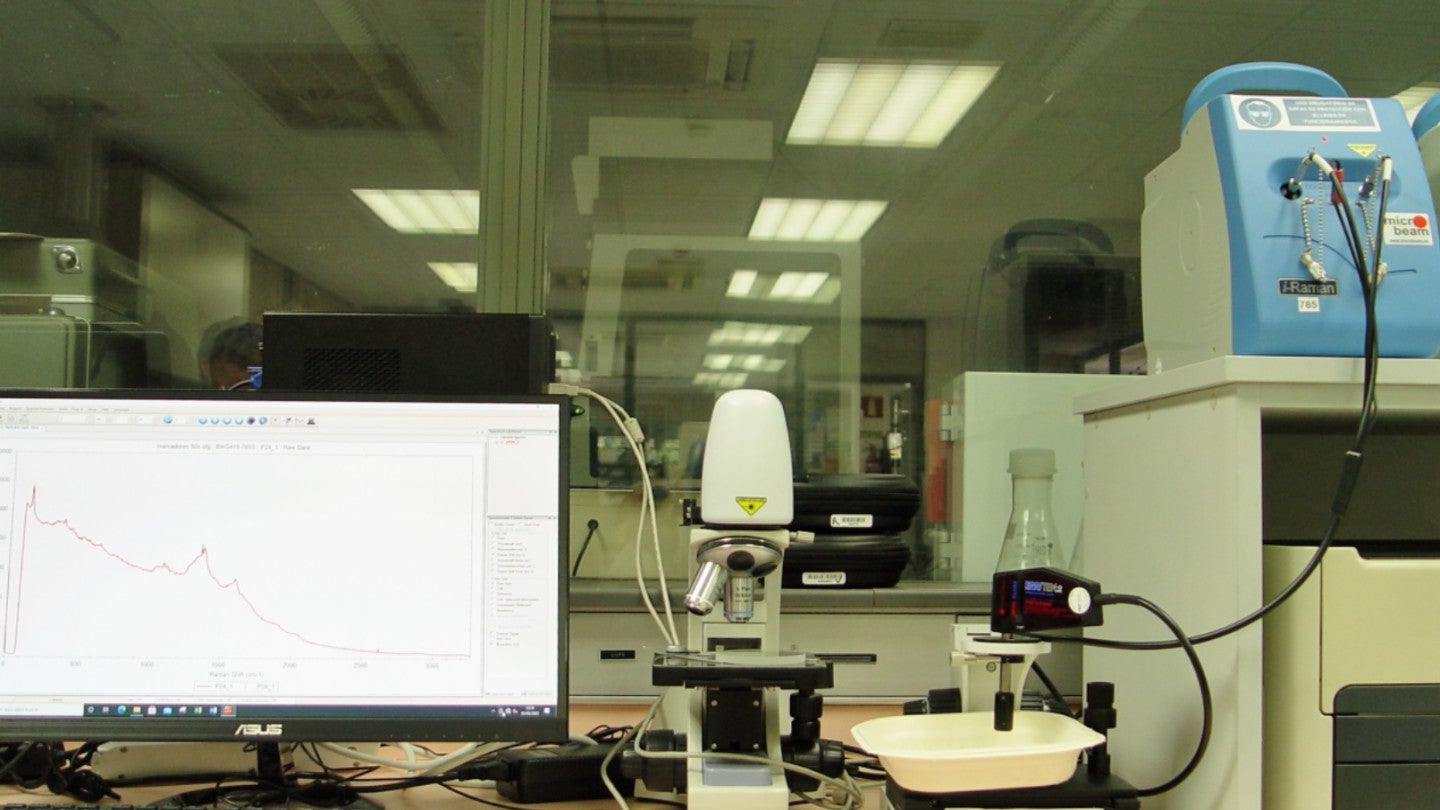
They have employed advanced sensors and imaging technologies such as RAMAN, NIR, and RGB to identify organic contaminants in absorbent pads and integrate specific markers.
A notable achievement is the RAMAN marker developed by FNMT and its successful incorporation into trays thermoformed by PACKBENEFIT.
Tecnalia’s tests in both static and dynamic conditions have demonstrated the marker’s detection efficiency, validating its potential for effective FBP sorting and recycling.
The project has utilised RAMAN spectroscopy to provide chemical and structural information about the packaging materials while near-infrared technology has been used to evaluate organic components.
The combination of machine vision and spectroscopy has led to the creation of AI models that can visually delineate contaminated surfaces and correlate visual data with chemical composition.
Tecnalia’s research has shown the effectiveness of spectroscopic sensors in detecting contaminants on food tray pads.
The project’s next steps will involve adjusting the maximum movement speed at which the sample moves along the surface, further enhancing the technology’s industrial applicability.
The project is funded by CBE JU and coordinated by Tecnalia.