✕
Manufacturers have a lot of boxes to check with their packaging, from protecting products and optimizing space, to ensuring traceability compliance and showcasing the brand. Another top priority is sustainability, thanks to growing consumer and regulatory pressure to address packaging’s environmental impact.
Traditionally, the films used to meet flexible packaging needs are made from several layers of different materials laminated together. Each layer consists of different materials chosen for their specific attributes, such as barrier properties, printability, and heat-sealing ability. While multi-material performs exceptionally well in packaging applications, there is often no economical way to separate the materials in the mechanical recycling process, so a lot of flexible packaging ends up in landfills.
Replacing traditional multi-material laminated packaging with high-performance, recyclable mono-materials is a growing solution for brands, but getting the printing and coding right is key.
How Mono-Materials Differ from Multi-Materials
As the name suggests, a mono-material film replaces a mix of components with just one type of material. To be considered mono-material, the packaging must be 90% of the same material by weight.
Paper, aluminum, and plastics like polyethylene (PE), polypropylene (PP), and polyethylene terephthalate (PET) are examples of mono-materials that can help with recycling. However, the surface and thinness of mono-materials may require a new printing and coding approach.

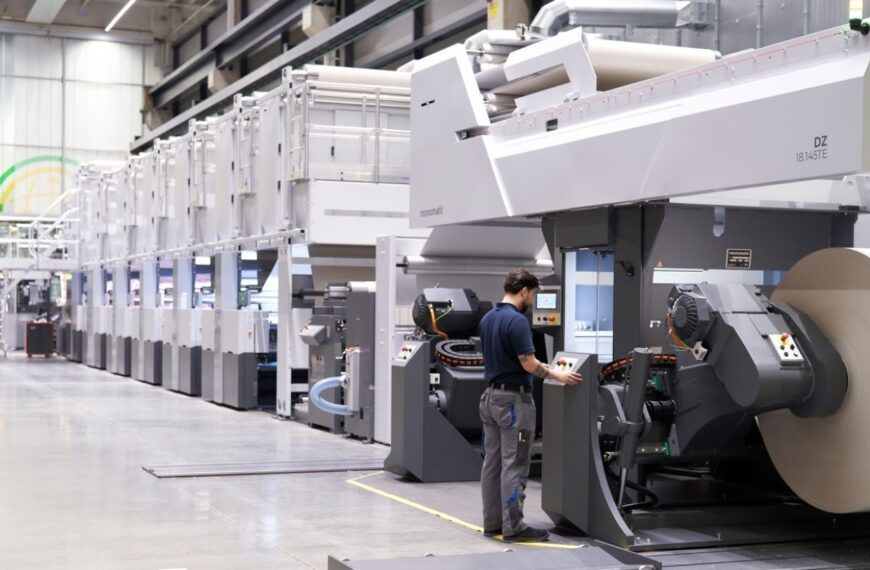
Image source: Videojet Technologies
Why Do Mono-Materials Present Printing Challenges?
Mono-materials possess lower surface energy (the property that determines how well ink or adhesive adheres to their surface) than traditional flexible packaging materials. This change in surface energy may require an alternative printing ink or system to offer the ideal adhesion, clarity, and performance for all aspects of package printing, especially when printing or marking critical variable information such as date/lot codes and barcodes.
For example, when using a laser marking system, adjustments may be required to accommodate mono-materials, from straightforward setting changes to potentially selecting an alternative laser system that more effectively interacts with the material.
Solutions for Printing on Mono-Materials
Fortunately, many of today’s packaging printing and coding systems work well with flexible packaging substrates, including mono-materials.
Choosing the right coding and marking technology is crucial for working with mono-materials, but performance can vary depending on the application. Here’s a closer look at the technologies that may be a good fit:
- Continuous inkjet (CIJ): Releases a continuous stream of ink droplets (vs. individual cartridges) for high-speed, high-volume printing, without contact, on mono-materials.
- Thermal inkjet (TIJ): An ideal fit when high-quality print on mono-materials is essential and ease of use is a primary consideration. Offers high-resolution traceability codes and high-read rate bar codes along with clean, no-mess operation.
- Thermal Transfer Overprinters (TTO): Uses heat to transfer ink from a ribbon onto the packaging. Mono-materials may affect print darkness, force, and speed parameters. Changing to a ribbon with higher resin content may be needed.
- Laser marking systems: Lasers of certain laser wavelengths, like UV lasers, are particularly well-suited for marking on flexible films, including mono-materials.
In many cases, a simple change of ink or printing ribbon might be all that is required, depending on the type of coding system in use. Consider your specific application and ink requirements. For instance, lasers offer code permanence, while ink-based solutions offer specially designed inks with unique performance traits, such as durability on flexible films and glossy substrates. Consult with your marking and coding solution partner and always test to confirm compatibility.
Additional Printing Considerations
Note that when changing to mono-material packaging, some changes to the parent packaging machine may be needed to ensure it can handle the new material successfully. This includes ensuring that the package seals are still produced correctly and the new material runs through the process properly. You should also confirm that the registration accuracy of the packages on the machine hasn’t been compromised, and the printed codes will always be in the correct location.
Also, before the primary printing is carried out during the converting process, the new mono-material printing surface can be coated with a very thin aqueous-based primer that is receptive to flexographic and digital printing. The coating should not affect the recycling process and can be applied by the film manufacturer. As an alternative, the material’s surface can be enhanced using a corona or plasma system by the film manufacturer or at the time of printing. These systems increase the material’s surface energy, enabling printing to take place.
Taking the First Step to Mono-Material Packaging
When switching from traditional flexible packaging to more sustainable mono-materials, begin by considering your printing and coding needs along with any packaging machine upgrades.
Your coding partner can help you find a solution that will meet your requirements for more sustainable packaging and address any change in porosity or surface energy. Clearly coded, recyclable packaging puts organizations ahead of growing consumer, regulatory, and other stakeholder demands and on the path to circular design and net-zero operations.