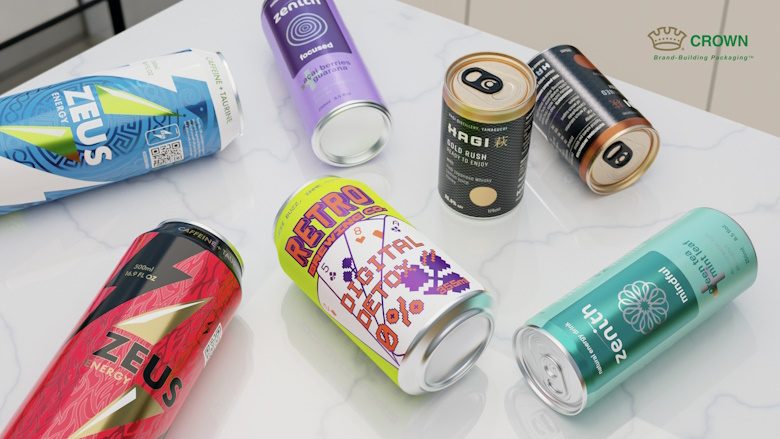
The global beverage landscape is undergoing a dynamic period of transformation. Consumers’ behavioral shifts toward healthier living and sustainability are pushing brands to innovate beyond the liquid itself—and changing expectations around packaging. The beverage can, once viewed primarily as a functional format, has now evolved into a strategic storytelling platform for brands—signaling wellness through clean, minimalist aesthetics, premiumization through refined finishes, and moderation through diverse, mindful formats.
These behavioral shifts are driven by market trends that Crown is increasingly witnessing firsthand in the types of designs and SKUs being printed across our global network: a sharper focus on health and wellness, a growing movement toward alcohol moderation, and an uncompromising expectation that products support more sustainable lifestyles.
They are not only reshaping what consumers drink; they are fundamentally reshaping how products are packaged and presented.
Aluminum cans are among the fastest-growing beverage packaging formats across most regions, driven by demand for circular materials, convenience and expanding use across emerging categories. From visually expressive 360-graphics that drive instant shelf recognition to inherently sustainable credentials, cans are now an active part of the new beverage propositions.
They are also instrumental to the functional ingredients, alcohol moderation, and experiential positioning that are reshaping the competitive dynamics of the global market.
Health and wellness is the one common trend that is driving major shifts in the global beverage market. Consumers are looking for more than a refreshing drink. They now expect their beverages to serve a purpose by supporting immunity, mental wellbeing, gut health or overall vitality. The continued double digit growth in the past few years of the energy drinks segment clearly illustrates this shift.
The aluminum can has become especially suited to this functional beverage category, offering a consistently fresh drinking experience and a modern look that makes it a popular choice for new brand launches.
Trip, offering low-calorie sparkling drinks infused with CBD and adaptogens for relaxation and balance, is one example of a disruptive brand in this space and is expanding globally. Similarly, botanical “modern soda” brand Moment has gained strong traction, becoming a top ranked wellness beverage on Amazon in the United States, demonstrating how functional propositions resonate strongly with digitally native consumers.
The health and wellness movement aligns with another structural shift: Alcohol moderation is becoming mainstream. Although cans show resilience and continue to outperform other substrates, the traditional beer market is stagnating or declining in several mature markets—including Europe, North America and Australasia—while non-alcoholic alternatives are driving category growth.
In Europe, almost one in five new beer labels printed at Crown over the past two years were for non alcoholic options. Pioneer brands are emerging in the United States, like Athletic Brewing—the first major craft-focused brewer to produce exclusively non-alcoholic beer. In a relatively short period, it has entered the top ten craft brewers nationally and continues to report double-digit year-on-year growth.
Boundaries between alcohol and soft drinks are dissolving, with brands elevating their products through sophisticated packaging, sustainability credentials, and occasion-based positioning, creating a new diverse landscape.
Wellness and moderation create pressure for traditional beer brands. However, packaging provides an opportunity to respond and compete in a challenging market.
Consumers increasingly seek authenticity, regional identity, and narrative depth. They are not only buying a product; they are buying into a story and a cultural proposition. Premiumization is therefore closely linked to storytelling and visual impact.
The aluminum can creates the perfect branding surface, offering optimum real estate for storytelling. It combines strong shelf visibility with advanced decorative techniques that enable texture, detail, and limited editions. By creatively exposing the natural aluminum, brands can also achieve a distinctive, premium metallic effect that instantly communicates freshness and visual impact.
A perfect example is EFES Breweries International (EBI), a leading player in the Türkiye and West Asia beer market. EFES paid tribute to The Knight in the Panther’s Skin, a cornerstone of Georgian literature. lllustrations by Georgian artist David Matchavariani transformed these cans into cultural artefacts, while Augmented Reality tools extended the storytelling experience beyond the pack itself. In this case, the can functioned not merely as packaging but as a cultural platform.
Cans connect with consumers seeking sensorial pleasure, cultural authenticity, and environmentally considered choices—all trends accelerating across global markets. Brands that leverage the full creative potential of cans will be best placed to differentiate in that increasingly competitive space.