California’s new “truth in labelling” law, widely known as SB 343 or the “Truth in Recycling” law, will come into force in October 2026, setting stricter rules on the use of recycling symbols on packaging.
The regulation is expected to reshape packaging compliance, recycling claims, and labelling practices for manufacturers and retailers supplying goods into California.

Discover B2B Marketing That Performs
Combine business intelligence and editorial excellence to reach engaged professionals across 36 leading media platforms.
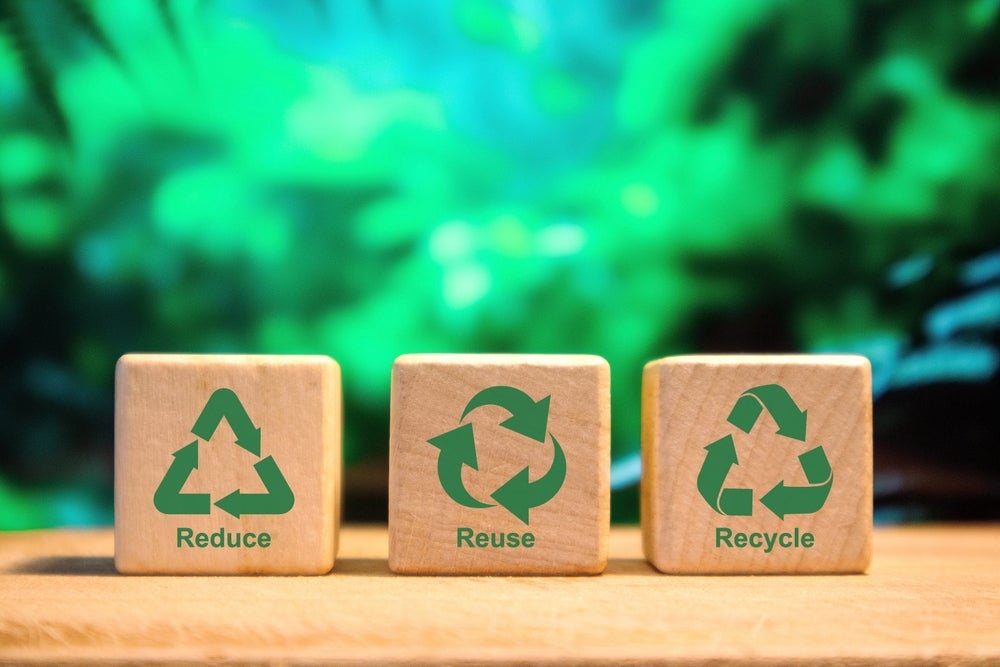
The law targets misleading environmental claims by restricting the use of the “chasing arrows” recycling symbol on products that are not widely recyclable in practice.
It forms part of a broader policy push to improve recycling rates and reduce consumer confusion around recyclable packaging.
What the law requires
Under California SB 343, companies will only be allowed to display the recycling symbol if the material meets specific recyclability criteria across the state. These criteria are based on data collected and assessed by California Department of Resources Recycling and Recovery (CalRecycle).
Materials must be “regularly collected, sorted, sold or reused” in California to qualify. If not, the symbol must be removed from packaging sold in the state.
Industry guidance summarises the requirement clearly: the law “prohibit[s] the use of the chasing arrows symbol on materials that are not truly recyclable in local jurisdictions.” This marks a shift from theoretical recyclability to real-world recycling outcomes.
The legislation applies to a wide range of materials, including plastics, paper, and multi-layer packaging formats. Compostable claims are also regulated under related standards.
Impact on packaging and supply chains
The introduction of the California truth in labelling law is expected to have significant implications for global packaging supply chains. Many companies use uniform packaging across multiple markets.
As a result, compliance in California may drive broader changes across North America and beyond.
Producers will need to assess packaging portfolios against CalRecycle’s material characterisation study and approved recyclable material lists. Packaging that fails to meet thresholds may require redesign, relabelling, or removal of recycling claims.
One industry analysis notes that businesses “must verify whether their packaging qualifies as recyclable under California’s criteria” before using the symbol. This creates new due diligence requirements for compliance, particularly for exporters to the US market.
There are also operational considerations. Companies may face higher costs linked to packaging redesign, supply chain adjustments, and verification processes. Smaller manufacturers could be disproportionately affected due to limited resources.
Wider implications for recycling claims
California SB 343 is part of a growing regulatory trend targeting environmental marketing claims, often referred to as “greenwashing”. By aligning labelling with actual recycling infrastructure, the law aims to improve transparency and consumer trust.
The measure may influence similar policies in other jurisdictions. Regulators in the EU and UK are also reviewing rules on environmental claims, including recyclability and sustainability labelling.
For businesses, the key issue is consistency. Claims made on packaging must reflect real, verifiable outcomes rather than technical potential. As one summary of the law states, the goal is to ensure “truth in recycling” by linking claims directly to measurable recycling performance.
With enforcement starting in October 2026, companies have a limited window to review packaging compliance strategies. Early action is likely to reduce regulatory risk and avoid disruptions once the law takes effect.