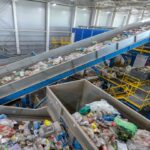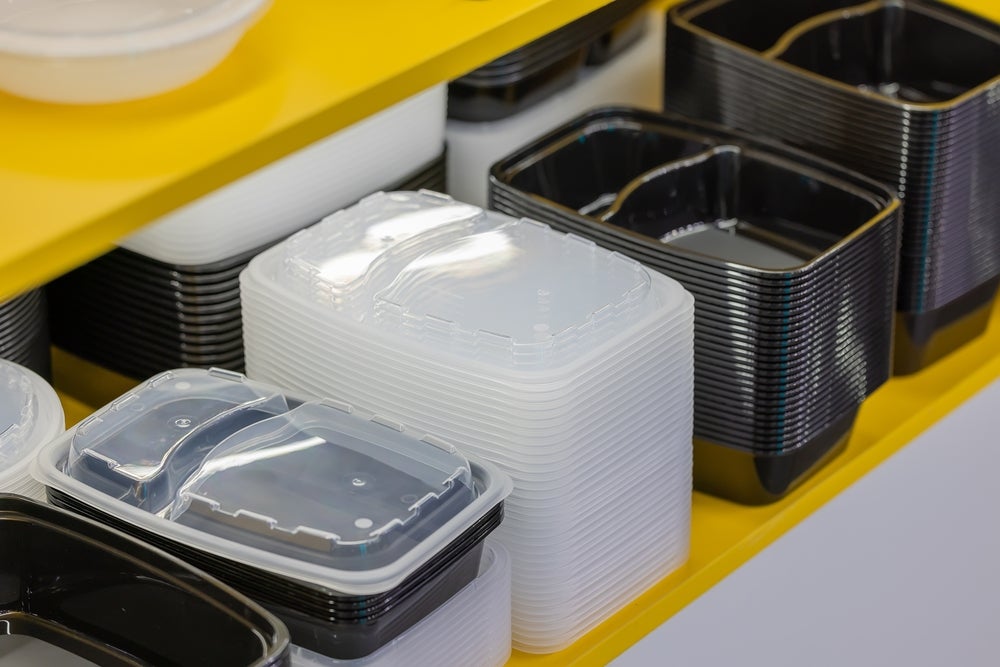
The Food and Agriculture Organization of the United Nations (FAO) has raised concerns over gaps in how recycled plastics are assessed for use in food packaging, warning that existing safety systems may not fully account for chemical contamination risks.
The findings come as recycled plastic packaging becomes increasingly central to global circular economy strategies and efforts to reduce packaging waste.

Discover B2B Marketing That Performs
Combine business intelligence and editorial excellence to reach engaged professionals across 36 leading media platforms.
The FAO report focuses on food contact materials (FCMs), a category that includes packaging, containers and processing equipment that come into direct contact with food.
While recycled plastics are widely promoted as a way to cut reliance on virgin polymers, the organisation stresses that recycling processes can introduce or concentrate unknown substances that may migrate into food.
“Recycled plastics can pose risks to human health due to contamination with substances from a previous use and/or from other waste,” FAO materials note, highlighting the need for more consistent risk evaluation frameworks across countries.
Risk assessment gaps
A central concern highlighted by FAO is the uneven nature of global regulation and testing requirements for recycled plastic packaging.
While jurisdictions such as the EU have established frameworks for authorising recycling processes, the report notes that non-intentionally added substances (NIAS) remain difficult to identify and assess.
These substances can include breakdown products, impurities and chemicals formed during recycling. According to FAO-aligned scientific assessments, they “must be risk assessed according to internationally accepted standards,” yet the availability of harmonised methods remains limited.
Industry observers have long pointed to this regulatory fragmentation. A recent FAO-co-authored review found “a lack of harmonization among regulatory requirements globally,” particularly for newer packaging formats and recycled content streams.
The report also aligns with wider food safety science indicating that recycled plastic materials can contain residues from previous uses, raising uncertainty about long-term exposure levels.
Chemical safety concerns
The FAO analysis highlights chemical migration as a key issue for recycled food packaging. During recycling, plastics may carry contaminants from earlier applications, as well as substances introduced during collection, sorting or reprocessing.
These compounds can include additives, degradation products and unintended chemicals formed during mechanical or chemical recycling. The report warns that some of these substances are not always fully characterised before recycled materials are reintroduced into food supply chains.
Experts involved in FAO-related research have previously noted that emerging packaging materials can introduce “possible food safety hazards that need to be addressed through a risk-based approach.”
Industry regulations generally require that food contact materials do not transfer substances into food at levels harmful to human health.
However, FAO-aligned assessments suggest that the complexity of recycled inputs makes full verification challenging, particularly when feedstock origins are diverse or poorly documented.
Implications for packaging industry
The report’s findings come at a time when packaging producers, food manufacturers and retailers are expanding recycled plastic usage to meet sustainability targets and regulatory pressures on virgin plastic reduction.
Recycled polyethylene terephthalate (rPET) and other recycled polymers are increasingly used in beverage bottles, trays and flexible packaging formats.
However, FAO warns that scaling up circular packaging systems without robust safety evaluation could undermine consumer confidence and regulatory consistency.
The organisation calls for stronger, more harmonised risk assessment approaches covering the full lifecycle of recycled plastics, from collection to final food contact use.
This includes improved analytical methods to detect unknown substances and better alignment between international regulatory systems.
As circular packaging adoption accelerates globally, the report suggests that food safety frameworks will need to evolve alongside recycling technologies, ensuring that sustainability gains do not come at the expense of chemical safety assurance in food packaging systems.