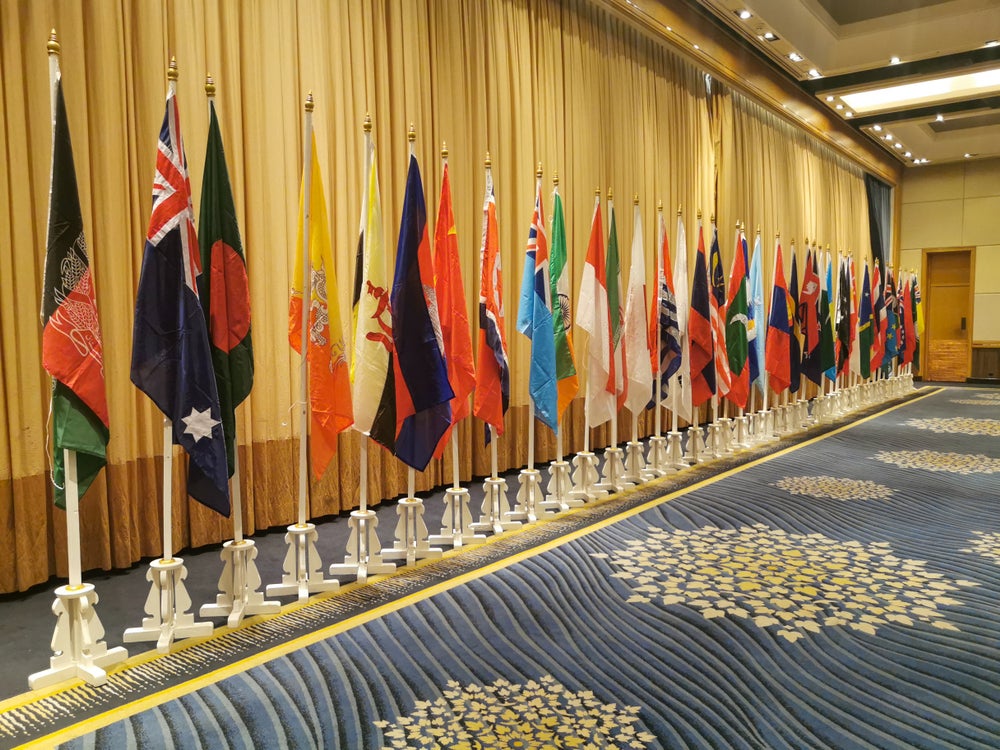
The fifth session of the Intergovernmental Negotiating Committee (INC-5) in Busan, South Korea, concluded without achieving its goal of finalising a binding global treaty to tackle plastic pollution.
Despite intense negotiations, the United Nations Environment Programme (UNEP) and Member States were forced to announce a follow-up session, INC 5.2, to continue deliberations.
While this extension offers a chance for a more robust agreement, there is scepticism about whether it will break the deadlock. The Chair’s draft text, which retains a focus on reducing plastic production, has been criticised for concessions made to petrochemical-aligned states.
Critics argue that these compromises threaten to undermine the collective ambitions of the majority of Member States.
“A bad process does not lead to a good outcome,” remarked Magdalena Donoso, Regional Coordinator of GAIA Latin America and the Caribbean.
“Time and time again, UNEP’s actions have shown their intentions: to silence the voices of civil society while bending over backwards to try to please the few countries who have no real interest in ending plastic pollution.”
Access the most comprehensive Company Profiles
on the market, powered by GlobalData. Save hours of research. Gain competitive edge.

Company Profile – free
sample
Your download email will arrive shortly
We are confident about the
unique
quality of our Company Profiles. However, we want you to make the most
beneficial
decision for your business, so we offer a free sample that you can download by
submitting the below form
By GlobalData
Civil society’s role and challenges
The involvement of civil society groups has been a contentious issue throughout the negotiations. At INC-5, many rights holders, including Indigenous Peoples and environmental advocates, faced restricted access to critical discussions.
In stark contrast, representatives from the fossil fuel and chemical industries dominated proceedings, with their numbers surpassing even the largest country delegations.
This imbalance has provoked criticism from environmental leaders. “A large group of countries are in agreement on what must be done, but it is not enough,” said Cecilia Bianco of Taller Ecologista, Argentina.
“Every minute that passes, our rivers, our air, and our bodies become more contaminated. We hope that next year will bring the ambitious treaty the crisis demands.”
Civil society organisations have been vocal about the need for transparent negotiations and inclusive decision-making processes. Many argue that only by amplifying the voices of frontline communities can the treaty address the full scope of the plastic pollution crisis.
A united front for ambition
Despite the setbacks, there were glimmers of hope in Busan. Rwanda, speaking on behalf of over 85 countries from Africa, Latin America, the Caribbean, the Pacific Islands, and Europe, delivered a powerful statement at the session’s closing plenary.
This coalition called for a treaty that includes reduction targets, the phase-out of harmful chemicals, and financial mechanisms to support affected communities.
Ana Rocha, Global Plastics Policy Director at GAIA, emphasised the urgency of bold action. “We cannot keep doing things the same way and expect different results– that is the definition of insanity. The ambitious majority needs to do whatever it takes to get these negotiations back on track and reclaim the spirit of multilateralism. Now is not the time for timidity. It is time to fight for our collective survival.”
The next phase of negotiations presents an opportunity to course-correct. By prioritising reuse systems, empowering marginalised communities, and enforcing ambitious reduction targets, Member States could finally establish a treaty that addresses the global plastic crisis.
As Eskedar Awgichew of Ecojustice Ethiopia aptly stated, “The journey continues, but the urgency for a comprehensive solution remains.”
The road to INC 5.2 is fraught with challenges, but the growing coalition of countries and civil society groups demonstrates that the fight for an ambitious plastics treaty is far from over.