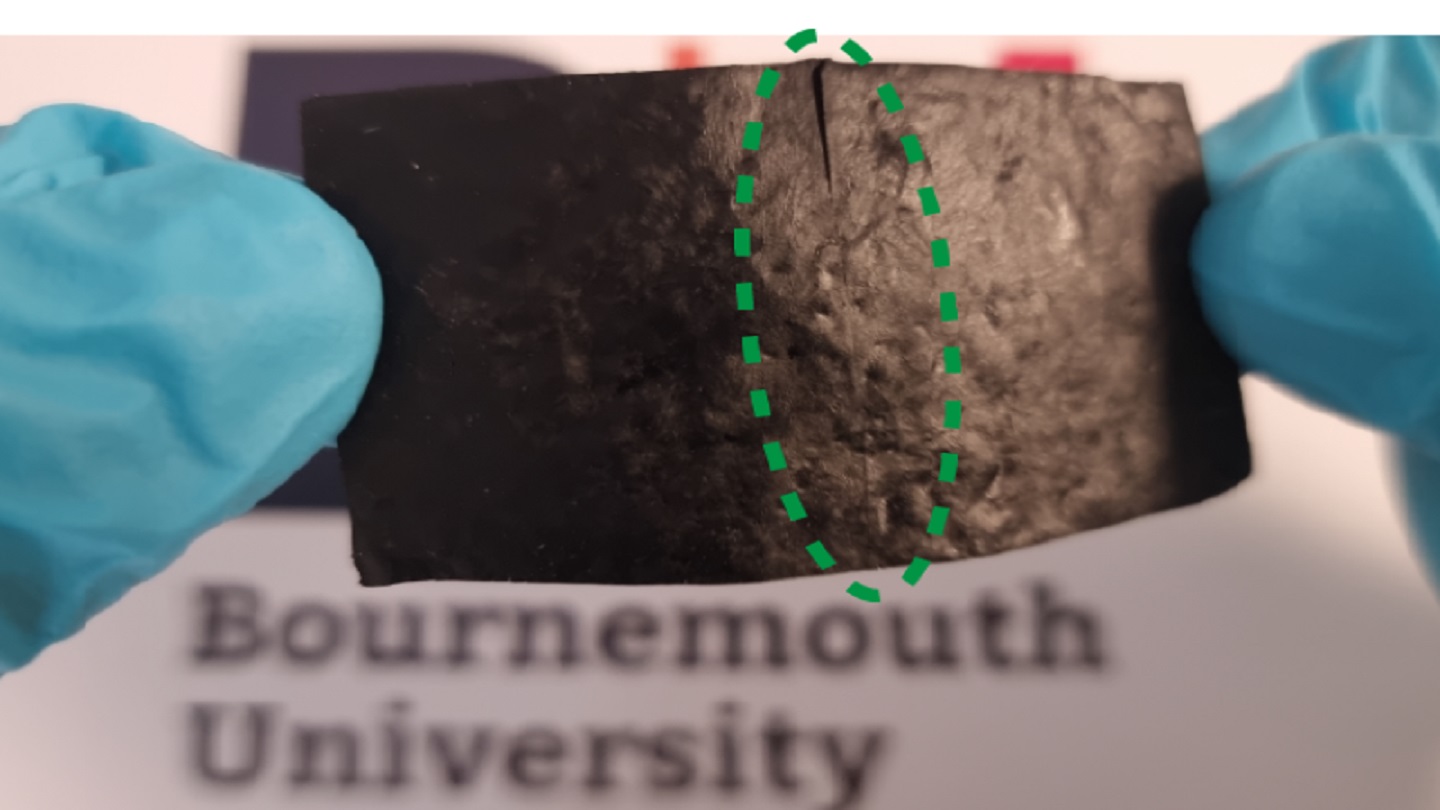
Scientists at Bournemouth University in Poole, England, have made advancements in creating plastic that can self-repair.
The research team incorporated specially engineered nanomaterials into plastic, enabling it to mend itself after damage and maintain nearly its original strength.
This advancement could lead to a variety of sustainable products and help reduce plastic waste globally.
The findings, detailed in the journal Applied Nano Materials, suggest a promising future for self-healing materials.
Bournemouth University Advanced Materials’ Dr Amor Abdelkader, who spearheaded the research, explained the use of nanosheets known as MXene.
These nanosheets, which appear powdery to the naked eye, are typically employed in the industry to fortify plastics.
Access the most comprehensive Company Profiles
on the market, powered by GlobalData. Save hours of research. Gain competitive edge.

Company Profile – free
sample
Your download email will arrive shortly
We are confident about the
unique
quality of our Company Profiles. However, we want you to make the most
beneficial
decision for your business, so we offer a free sample that you can download by
submitting the below form
By GlobalData
To enhance the self-healing properties, the team first modified the MXene with chemicals to create a dormant healing agent with adhesive characteristics.
This agent remains inactive within the plastic until it encounters a break. When exposed to atmospheric humidity, the agent activates and rebinds the separated pieces.
Building on this discovery, Bournemouth University researchers are now exploring the creation of new devices that could have extended lifespans due to their self-repairing capabilities.
Abdelkader said: “We are following the same process as Mother Nature – when you cut your finger, the blood will initially solidify to cover the crack until the skin tissue seals it, and that is what we are doing with our plastics.
“Most of the things in our everyday lives have plastic in them and this has potential to extend the life of a whole range of products and reduce waste, from reusable drink bottles to mobile phones to plastic pipes and so much more.
“We have tested that and designed new sensors for detecting human motion that self-repair after being subjected to damage. Such a concept paves the way for new-generation electronics that require no or minimal maintenance and therefore last longer.”