In the 1980s, the cola landscape was changing rapidly. Coca-Cola, Pepsi, and other soft drink brands were transitioning to non-sugar sweeteners and lower caffeine content in flagship colas, opting to use ingredients like high fructose corn syrup (HFCS) and zero-calorie alternatives to create “diet” versions of their popular sodas.
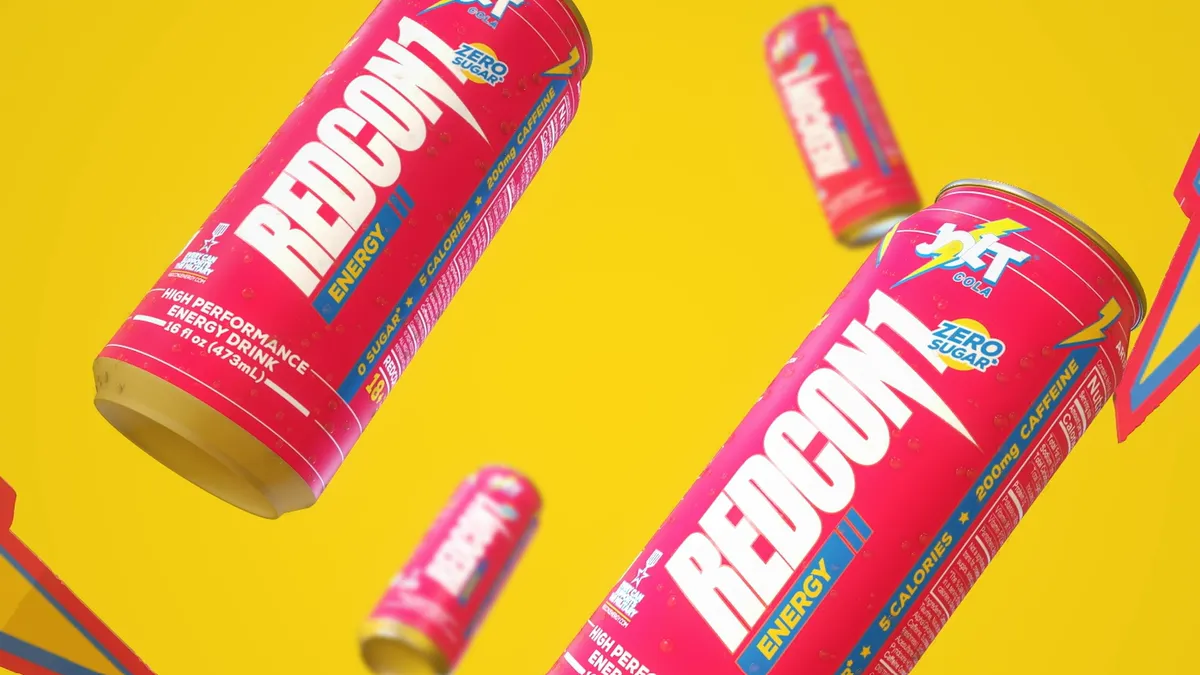
In 1985, the father and son duo Joseph and C.J. Rapp developed an alternative to the big colas aimed at old-school soda purists and those looking for more of a kick from their fizzy drinks. Advertised as having “all the sugar and twice the caffeine,” Jolt Cola positioned itself as a treat that harkened to the days of soda parlors. Thanks to its higher caffeine content, it found an audience among college students binge studying (and partying) and software developers banging out code all night. While the caffeine content was nowhere close to modern energy drinks like Red Bull or Monster, it did prove there was a market for buzzier soft drinks 40 years ago.
Unfortunately, Jolt Cola would fade away by 2011, with a brief comeback in 2017 that didn’t stick.