✕
I occasionally help out in the kitchen at home, and quesadillas are among my signature dishes. They’re quick, hot, cheesy, and tasty (in my humble opinion).
Some recent packaging announcements related to the main quesadilla ingredients — tortillas and cheese — are what got me thinking about this culinary favorite.
One of the most recent announcements is from Coveris, which has launched a monomaterial packaging solution for tortilla wraps. The company’s MonoFlex Thermoform film packaging replaces non-recyclable, mixed-material thermoforming substrates while maintaining a long shelf life. The full story can be found here.
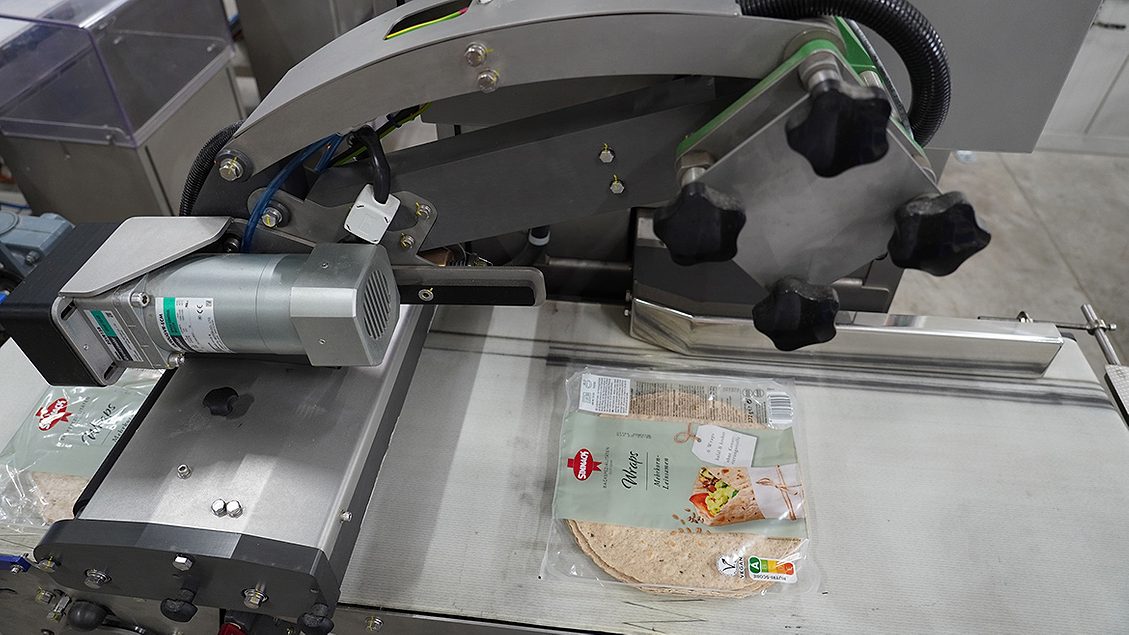
In a related development, Ishida last year provided a leak detection system for Sinnack Snacks, Germany’s only large-scale bakery to focus on tortillas. The tortillas are made without preservatives but have a shelf life of six months thanks to their protective carbon dioxide and nitrogen atmospheres—provided that the thermoformed packaging is absolutely airtight. The complete story can be found here.
As far as cheese packaging is concerned, ProAmpac recently announced recycle-ready packaging for chunk cheese. The new Recycle-Ready films provide excellent clarity, ensuring the product and packaging look pristine on retail shelves. They also offer robust puncture resistance and the ability to withstand high temperatures during the high-speed filling process. The complete story can be found here.

Fresh Inset’s Vidre+™ Complex technology extends spinach’s freshness for up to 10 days. Image courtesy of Fresh Inset
Along with a protein (beef, chicken, or pork), we usually include spinach in our quesadillas and tend to purchase fresh spinach in clamshell containers. This reminded me of Fresh Inset’s Vidre+™ Complex technology that extends spinach’s freshness for up to 10 days. Specifically, the technology protects fresh produce against the loss of postharvest quality caused by ethylene, a natural hormone that accelerates ripening and spoilage. The complete story can be found here.
So, while there may be some debate as to whether the quesadillas that I make at home are “perfect,” it’s good to know that the packaging technologies for the core ingredients are constantly evolving and improving.