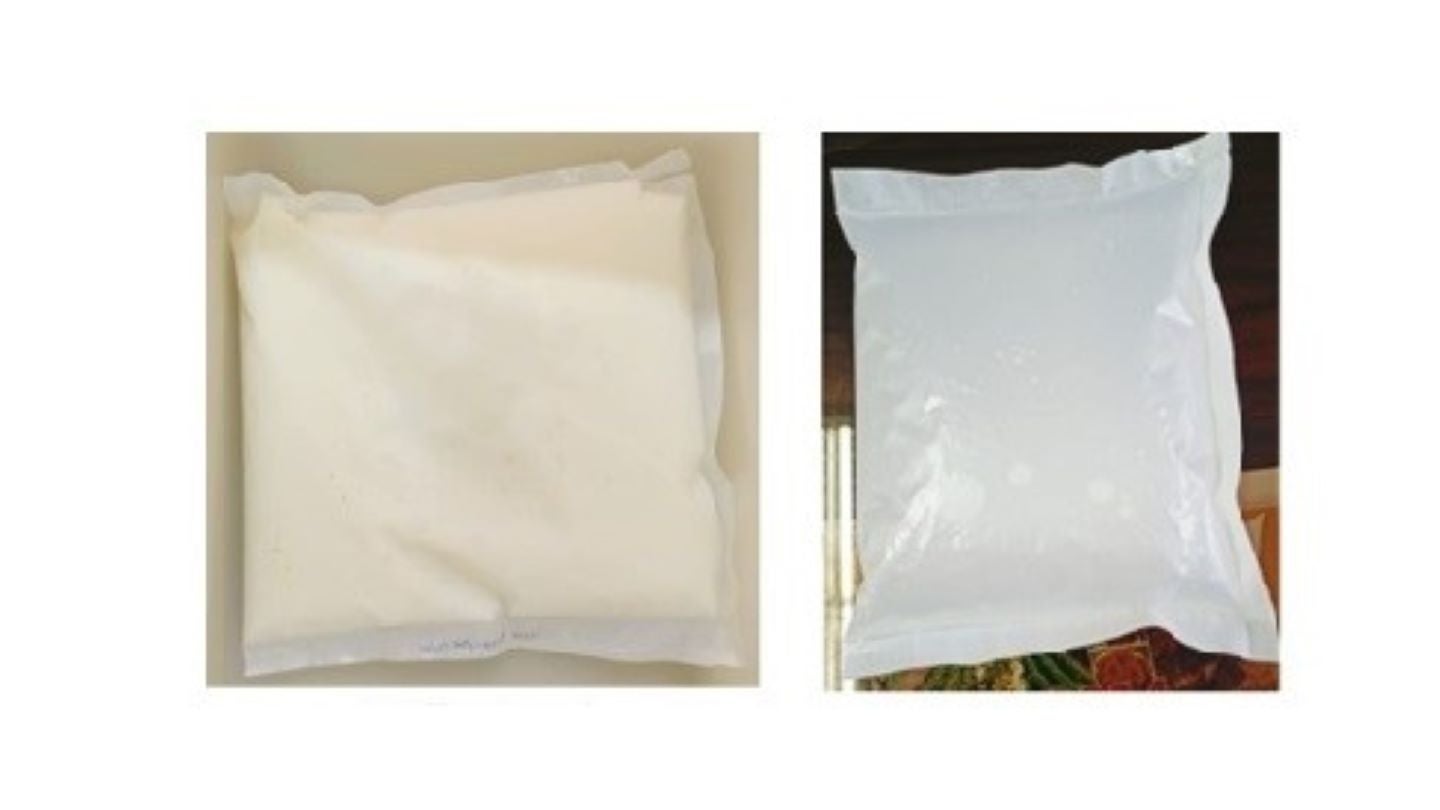
Natures Bioplastics and the Indian Council of Agricultural Research – Central Institute of Agricultural Engineering (ICAR-CIAE), Bhopal have developed biodegradable films for milk and water packaging.
The development comes against the backdrop of the Indian Government’s drive to curb single-use plastics to address pollution and support the shift towards alternatives with a reduced environmental impact.

Discover B2B Marketing That Performs
Combine business intelligence and editorial excellence to reach engaged professionals across 36 leading media platforms.
Although biodegradable packaging materials for food have advanced, ICAR noted that many available options have struggled to combine environmental considerations with the need to preserve the shelf life of perishable products.
A further issue has been their use in liquid food packaging, where problems linked to leakage, polymer leaching into the contents and maintaining structural strength have limited broader application.
The newly developed films for milk and water packs are made from renewable inputs, including polysaccharides, proteins and biopolymers.
The two film variants were assessed in accordance with IS 15609:2005, IS 11805:2024 and ASTM standards.
A comparative review of the samples against the relevant Bureau of Indian Standards (BIS) requirements for water packaging film under IS 11805:2007 and IS 15609:2005 found that the developed materials met the applicable standards for milk and water packaging, while also being biodegradable.
Both films were also used to make pouches filled with water and milk.
Those pouches were then subjected to drop and leak testing.
In cost terms, conventional three-layer LDPE film used for milk packaging is priced at Rs150-Rs160 ($1.6 – $1.7) per kilogram, compared with Rs170-Rs175 per kilogram for the developed biofilm.
The cost could decline if production moves to commercial industrial scale.
In February, Amazon and the Indian Institute of Technology (IIT) Roorkee launched a joint effort to create biodegradable mailers from agricultural residues to address the dual challenges of plastic waste and crop stubble burning in India.