In today’s fastmoving market, it’s more important than ever for companies to think strategically about how automation fits into their packaging and merchandising supply chain operations. This means looking at two critical areas: automation of data and planning systems, which are the digital tools that coordinate workflows and provide realtime visibility, and manufacturing automation, which includes the mechanical equipment that performs tasks like printing, filling, sealing, or palletizing.
When businesses plan for both, they can help reduce costs by removing manual work and minimizing errors, shorten lead times through faster and more accurate order processing, and gain a single source of truth to track inventory and shipments instantly. Together, these capabilities create a smarter, more efficient supply chain that keeps products moving and customers satisfied.
How automation is changing the way we create packaging for customers
Rick Calhoon, SVP, Operations
Menasha Packaging Company
Image courtesy of Menasha Packaging Company
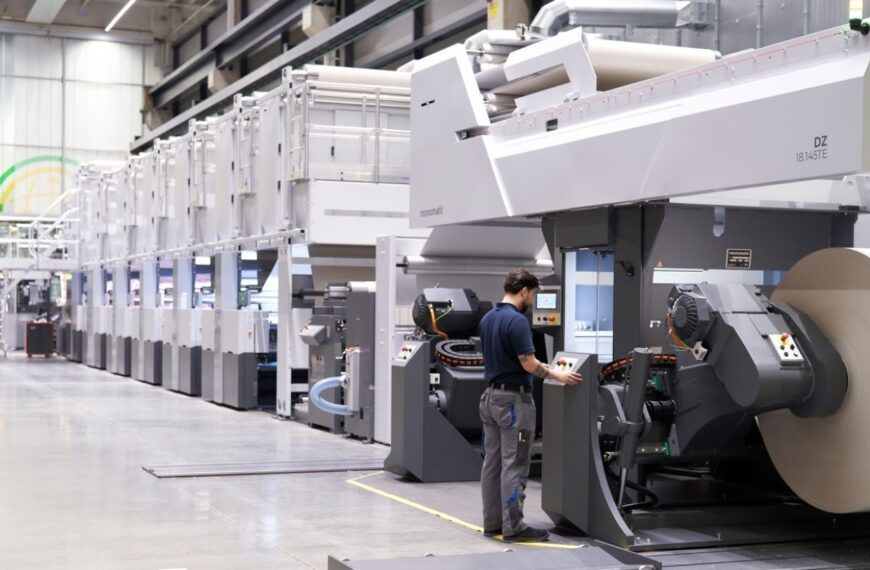
Automation is transforming the way packaging is created, helping brands achieve higher quality, greater consistency, and faster speed to market. Advanced manufacturing tools, like AIdriven vision systems, now monitor color accuracy in real time, ensuring that brand colors match perfectly across every run. Automated diecutting, folding, and converting equipment can execute complex structural designs with precision, reducing scrap and ensuring that design elements like interlocking tabs, shelves, and custom shapes fit together exactly as intended. At the same time, digital printing automation opens the door to personalized or regional packaging without expensive tooling or long setup times, making smallbatch or seasonal runs both flexible and costeffective.
When paired with automation systems that link design files, production data, inventory, and shipping, packaging moves seamlessly from concept to completion. Even fulfillment techniques are advancing, as robotics are being used to assemble kits and gift sets with greater consistency and speed than manual processes. Together, these innovations allow packaging teams to deliver better quality, faster turnaround, and more tailored solutions for customers.
Key considerations when discussing your automation strategy
Not all automated solutions in manufacturing facilities require large capital investments, and it is important to know the difference (and impact) of the types of automation.
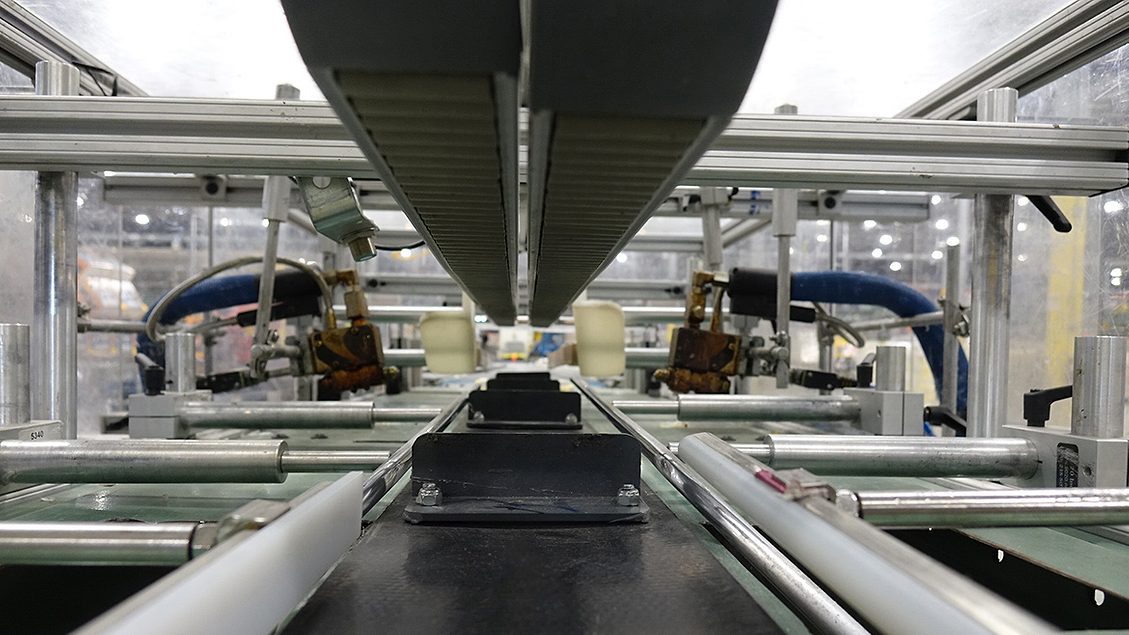
Simple automation solutions can address a single, repeatable task, like applying labels or counting units, using basic machines or controls. Semiautomation combines human interaction with automated equipment, where operators load, adjust, or supervise while the system performs the precision work. Full automation removes human touchpoints almost entirely, integrating robotics, sensors, and control systems to run endtoend processes with minimal oversight.
Each level plays an important role: Simple automation delivers quick efficiency gains, semiautomation bridges labor and technology for flexible operations, and full automation drives maximum throughput, consistency, and scalability across the packaging supply chain. At Menasha, we focus on bringing the right automated solution to the job. Sometimes simple solutions deliver significant impact!

An automated stretch wrapper. Image courtesy of Menasha Packaging Company
While many organizations initially turn to automation for labor savings or faster throughput, the longterm value often comes from the data these systems generate. Data automation creates a connected flow of information across design, production, inventory, and fulfillment, turning everyday operational activity into a powerful foundation for business intelligence. Instead of relying on gut instinct, teams can use live, accurate data to identify bottlenecks, adjust production plans, improve quality, and forecast demand with far greater confidence.
Over time, this consistent stream of insights helps organizations evolve from reactive, manual decisionmaking to a more proactive, datadriven model that strengthens performance year after year. In this way, automation is not just about moving products faster; it becomes the engine that supports smarter operations and longterm competitive advantage.
Emerging Trends in Automation
Looking ahead, several emerging automation trends are reshaping how brands approach packaging and merchandising. One of the most significant is the rise of cointelligent robots, or “cobots.” Unlike traditional industrial robots that require guarded spaces, cobots are designed to work safely alongside people, making them ideal for tasks such as kitting, labeling, loading, and palletizing. Their flexibility and lower cost of entry allow companies to introduce automation, or semiautomation, without massive infrastructure changes.

Cobots — such as this palletizing robot — are designed to work safely alongside people, making them ideal for tasks such as kitting, labeling, loading, and palletizing. Image courtesy of Menasha Packaging Company
Another growing trend is the adoption of BoxonDemand technologies, which create customsized packaging in real time. These systems are especially valuable for smaller-volume programs or products with irregular shapes, helping eliminate the need for inner packaging, reducing freight waste, and improving sustainability. Together, these advancements illustrate how automation is becoming more accessible, adaptable, and aligned with the evolving needs of modern supply chains.
How (and where) to continue educating yourself on the evolution of automation
As automation continues to evolve, one of the best ways to stay informed is to stay connected. Beyond the wealth of resources available online, speaking directly with peers and industry experts provides practical insight that can’t be replicated digitally.
Organizations such as the Fibre Box Association (FBA) and the Independent Packaging Association (AICC) offer valuable networking and educational opportunities, while major trade shows like PACK EXPO International and Drupa remain essential destinations for exploring the latest advancements in packaging and automation. In a fastmoving, demanddriven market, ongoing education is key, because companies that treat automation as an integrated, strategic system will be best positioned to build stronger, more efficient, and more resilient supply chains for the future.
As packaging supply chains become more complex, the companies that thrive will be those that plan thoughtfully for automation, not just as a means of speeding up production, but as a strategic foundation for long-term growth. The integration of both automation systems and manufacturing technologies empowers organizations to operate with greater accuracy, agility, and confidence. By embracing this evolution and continuing to learn from industry innovations, leaders can build the resilient, datadriven supply chains their customers now expect. Ultimately, automation is not simply an operational upgrade, it’s a competitive advantage that begins with informed, forwardlooking strategy.