As plastic pollution increases, so does the effort to find alternative materials with all the favorable properties and none of the pesky “foreverness.” Some are turning to the sea, using the ocean’s bounty to build new materials, like CuanTec, which uses discarded crustacean shells, and Sway, which uses seaweed.
Scientists Avinash Manjula-Basavanna and Neel S. Joshi from Northeastern are bioengineering microorganisms like E. coli to produce new, functional materials that show promise as alternatives to conventional plastics. These advanced materials from bacteria perform similarly to plastics but are biodegradable, can regenerate and heal themselves, and can respond to external stimuli such as light.
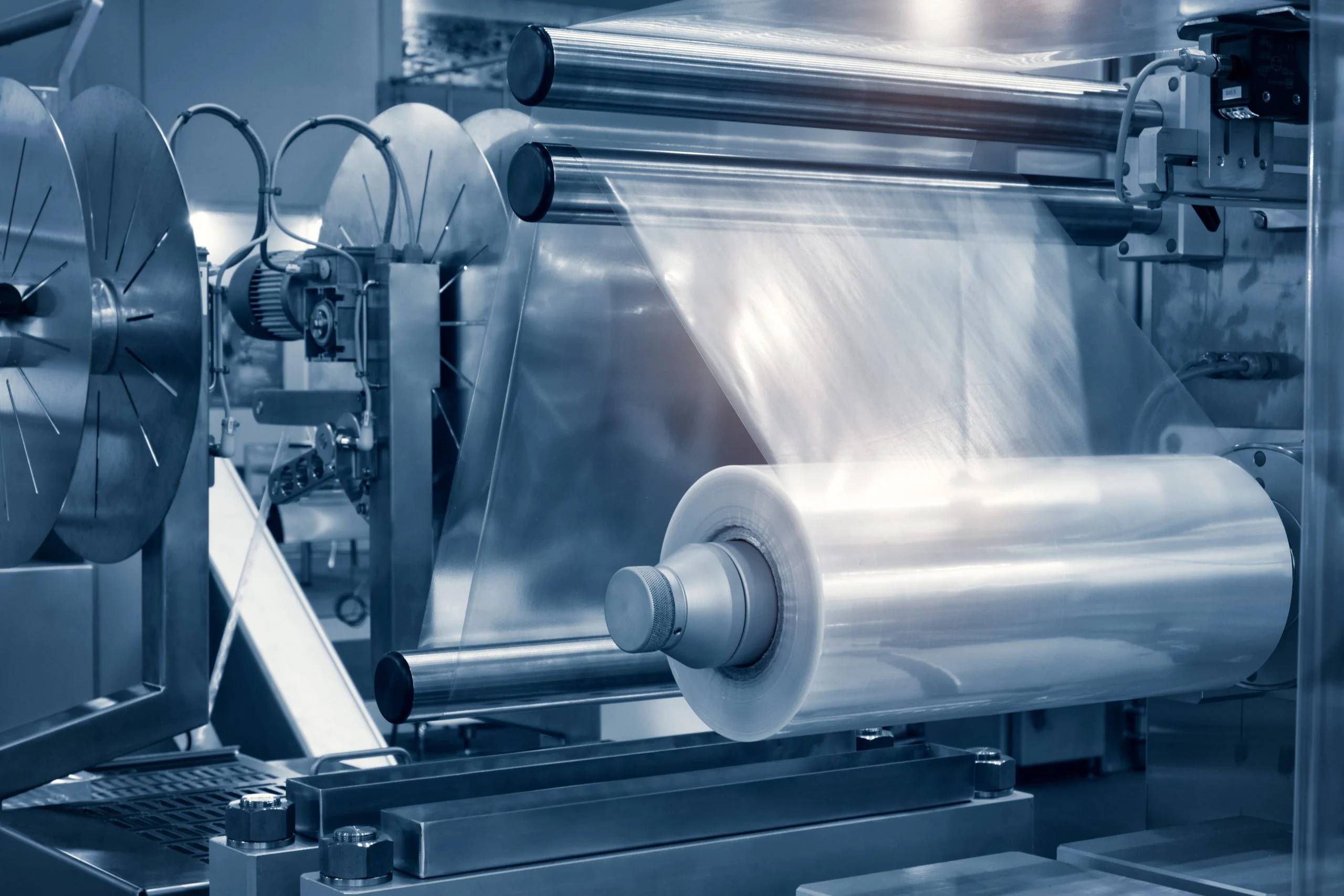
Manjula-Basavanna and Joshi recently published their work in the journal Nature Communications. They call their material MECHS, short for “Mechanical Engineered Living Materials with Compostability, Healability, and Scalability,” and is bioengineered by combining E. coli with curli nanofibers and glycerol. Curli nanofibers are microbial biofilms that are self-assembled from a protein building block, and glycerol adds plasticity and allows MECHS to be formed into a film.