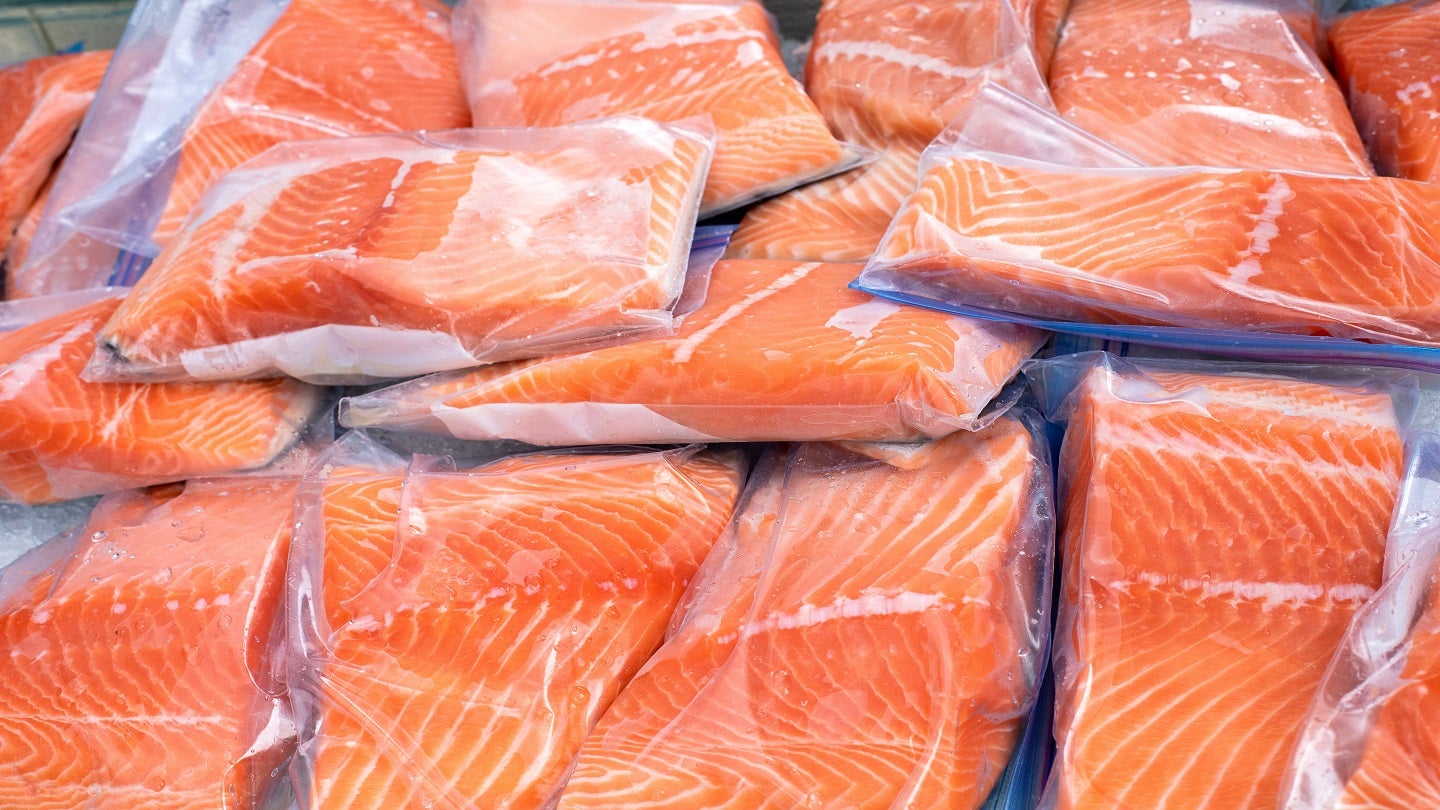
A team of researchers from the National Institute of Technology (NIT) Rourkela in Odisha, India, has introduced a seafood wrap made from biodegradable materials.
This packaging is claimed to have been designed to track the freshness of seafood by detecting changes in potential of hydrogen (pH) levels.
The solution aims to offer a functional tool to improve food hygiene, reduce spoilage, and minimise food wastage.
The project is overseen by Professor Preetam Sarkar of the Food Process Engineering department at NIT Rourkela.
Researchers used starch derived from kodo millet to form a film that assesses seafood quality. It works by identifying spoilage-related volatile amines and changes colour accordingly.
The film comprises three key natural ingredients: kodo millet starch, gum tragacanth, and beetroot peel extract.
Betalains in beetroot contribute to the film’s colour-shifting ability by reacting to pH variations. These organic materials make the packaging sustainable, safe, and highly responsive.
The film presents visible changes to signal the state of the food without requiring any contact-based inspection.
Discussions are underway between the research group and seafood businesses to trial this technology, with an aim to evaluate how the packaging performs outside the laboratory. Early feedback and testing will guide potential commercial use.
Sarkar was quoted by various media houses as saying: “We first extracted starch from kodo millet by soaking, grinding, filtering, and drying the grains.
“The beetroot peel extract was prepared separately and then combined with the starch, gum tragacanth, and a small amount of glycerol to cast the films. These were dried and tested for their pH-sensitivity and effectiveness in monitoring seafood freshness.”
In a lab setting, the estimated manufacturing cost of the film is around Rs900 ($10.45) per kilogram.
Industrial production could lower this cost to a range of Rs400 to Rs600 per kilogram. That cost range may make the innovation financially practical for large-scale use.