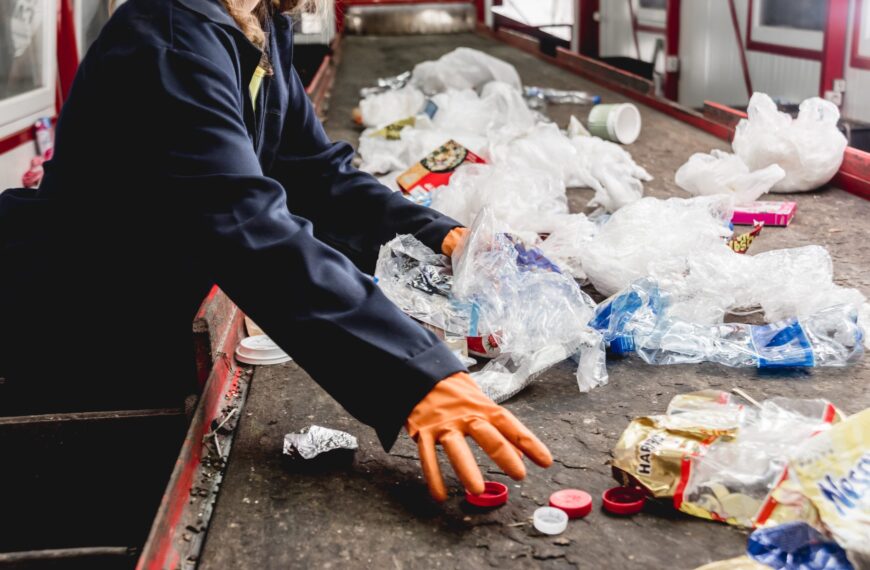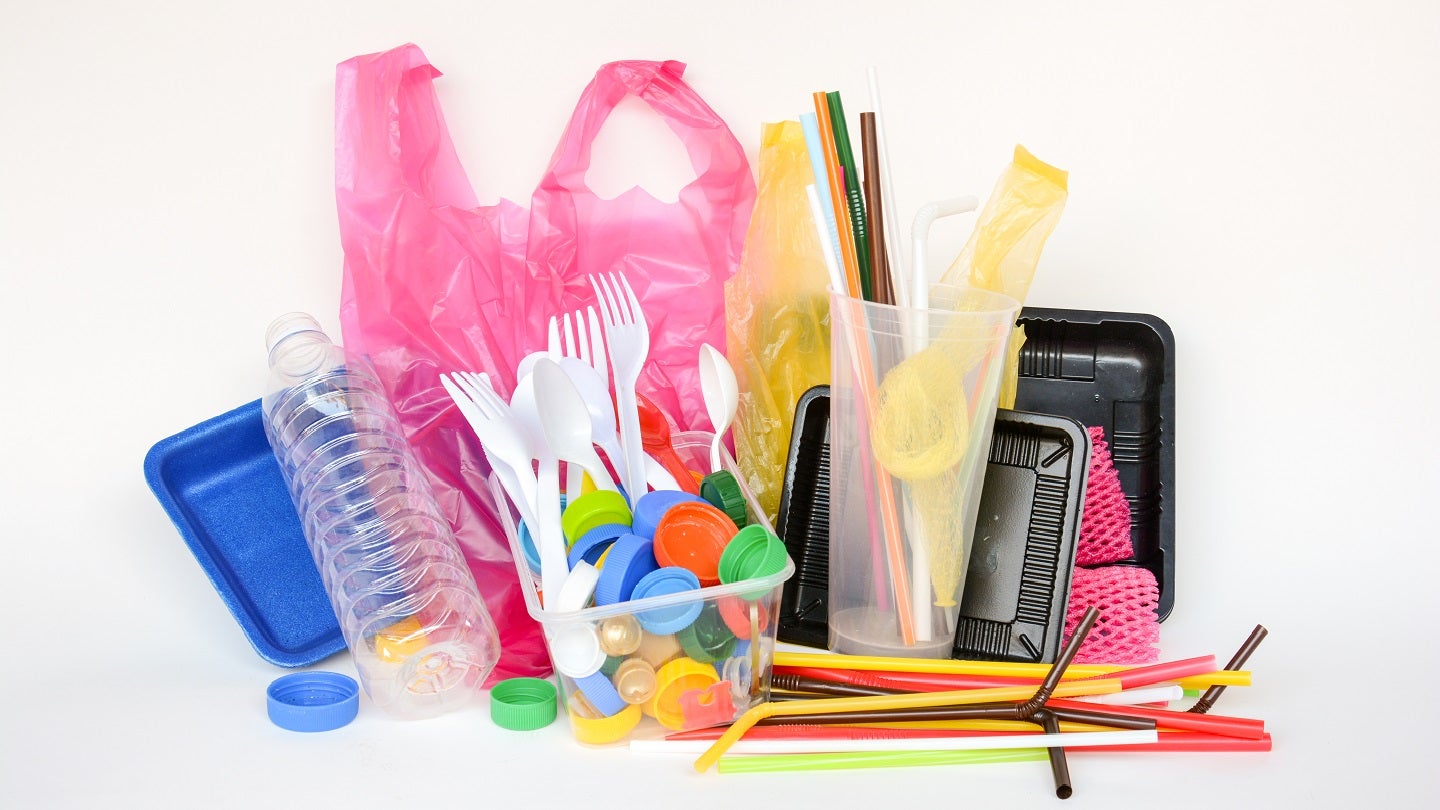
The government of Guinea has taken a decisive step to kerb plastic pollution by issuing a decree that bans the manufacturing, import, sale, and use of single-use plastic packaging and products throughout the country.
The decree was issued by the country’s President Mamady Doumbouya on Saturday (21 September), Xinhua reported.
The decision aims to enhance public health, encourage the use of biodegradable packaging alternatives, and address pollution and environmental hazards.
The new regulation applies to a wide range of domestic stakeholders, including producers, importers, and businesses of all sizes engaged in activities involving single-use plastics.
The banned items include plastic bags, oxodegradable plastics, and other plastic-based products.
The decree extends to the prohibition of these plastics in settings across both urban and rural Guinea.
Access the most comprehensive Company Profiles
on the market, powered by GlobalData. Save hours of research. Gain competitive edge.

Company Profile – free
sample
Your download email will arrive shortly
We are confident about the
unique
quality of our Company Profiles. However, we want you to make the most
beneficial
decision for your business, so we offer a free sample that you can download by
submitting the below form
By GlobalData
This measure is expected to significantly reduce the environmental impact of plastic waste in the country.
There are, however, specified exemptions to the ban.
Single-use plastics will still be permitted for essential applications in the medical, agricultural, and military sectors.
Additionally, their use is allowed for waste collection and the packaging of water and other liquids.
Reportedly, enforcement of the decree will be stringent, with violators facing severe consequences.
Penalties for noncompliance include the closure of businesses, seizure of products, and monetary fines.
In January this year, the government of the Nigerian state of Lagos implemented an immediate ban on the use and distribution of polystyrene and other single-use plastics, citing significant environmental concerns.