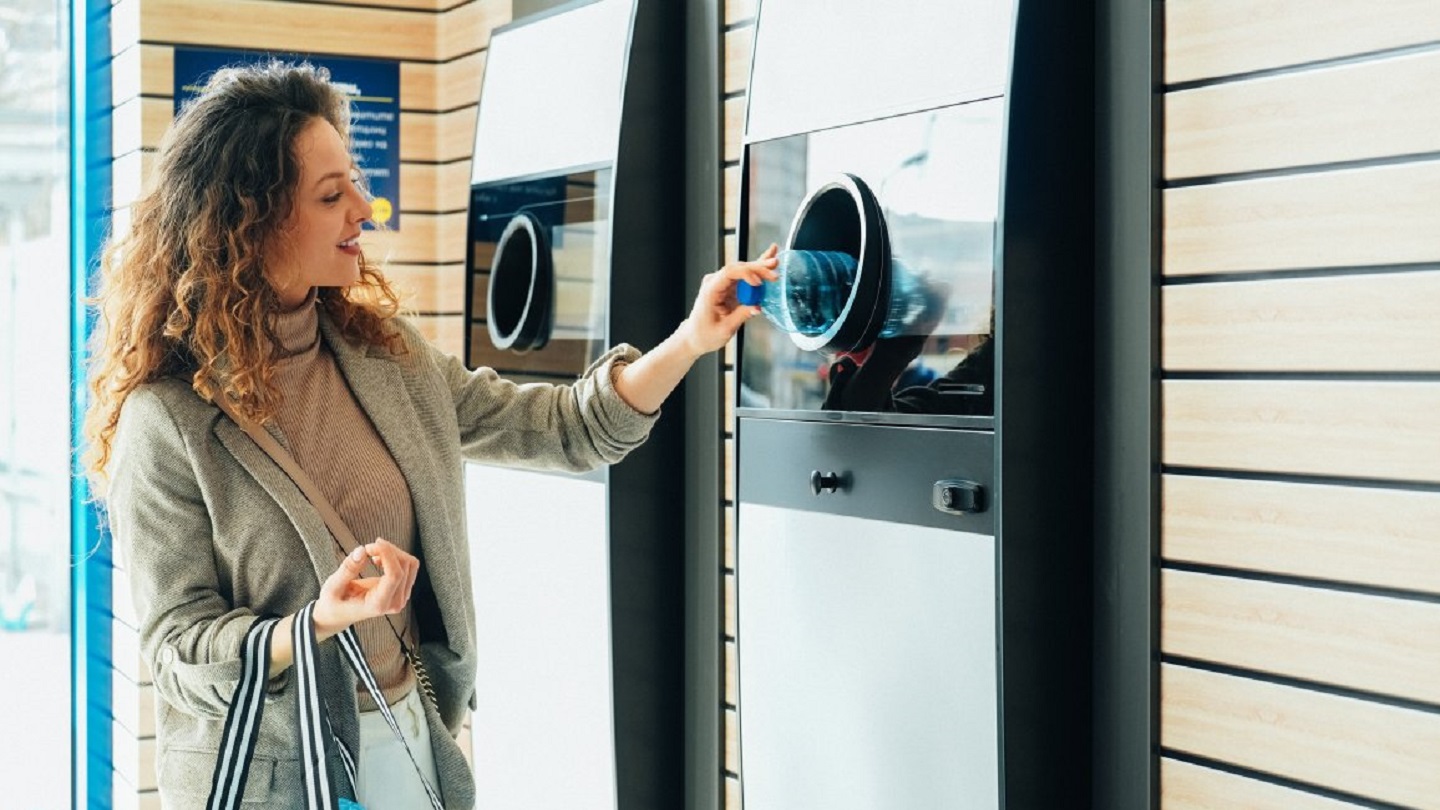
Austria is set to introduce a mandatory deposit of 25 cents on all new single-use plastic and metal beverage containers ranging from 0.1 to 3 litres, commencing on the 1 January 2025.
The deposit scheme is designed to curb littering, foster a greater appreciation for plastics, and promote more sustainable packaging practices.
Upon its enactment, consumers will be expected to return PET bottles, identifiable by a unique deposit logo and barcode, to their original point of sale including supermarkets, bakeries or snack bars instead of disposing of them in the Yellow Bag recycling bins.
To ensure a seamless process, the returned bottles and labels must be intact for the machines to read them.
Consequently, bottles and cans will be mechanically compressed only after being collected via this system.
The central body overseeing the deposit system is EWP Recycling Pfand Österreich, operating under the auspices of the Ministry of Climate Protection.
Access the most comprehensive Company Profiles
on the market, powered by GlobalData. Save hours of research. Gain competitive edge.

Company Profile – free
sample
Your download email will arrive shortly
We are confident about the
unique
quality of our Company Profiles. However, we want you to make the most
beneficial
decision for your business, so we offer a free sample that you can download by
submitting the below form
By GlobalData
This entity is supported by stakeholders including the Association of Austrian Beverage Producers, the Federal Committee of the Food Trade, and various manufacturers and take-back organizations.
Aiming to elevate the collection rate from 70% to an ambitious 90% by 2027, the deposit scheme aligns with the goals set forth by new EU regulations, the Single-Use Plastics Directive (SUPD) and the Packaging and Packaging Waste Regulation (PPWR).
Meeting the prescribed recycling material quotas presents one of the most formidable challenges for the food industry; however, this deposit system offers an indirect solution.
Funding for this initiative comes from the sale of collected recyclables, which finances both the deposit system and a handling fee of a few euro cents per package.
Additional funding sources include ‘deposit slips’ for non-returned bottles and producer contributions from distributors.
PET bottles in Austria will be returned to the point of sale whether supermarket, bakery, kiosk or snack bar. Credit: ALPLA.